

Table of Contents
- Introduction: Have You Ever Used a German Tool?
- A Culture Built Around Craftsmanship
- How Switzerland and Germany Kept the Standard High
- When America Stopped Caring About Quality
- The Race to the Bottom and What It Cost Us
- Is American Craftsmanship Dead or Just Sleeping?
- The Builders Who Are Keeping It Alive
- How We Get It Back
- FAQ
- Quality Is a Choice, Start Making It

Introduction
Pick up a German made tool and you notice it immediately. The weight feels right. The finish is clean. Everything fits together the way it's supposed to. There's no slop, no cheap plastic that flexes when it shouldn't, no feeling that it was designed to be replaced in two years. It just feels like something built by someone who actually cared whether it was good or not.
That's not an accident. That's culture. And it's a culture that goes back centuries.
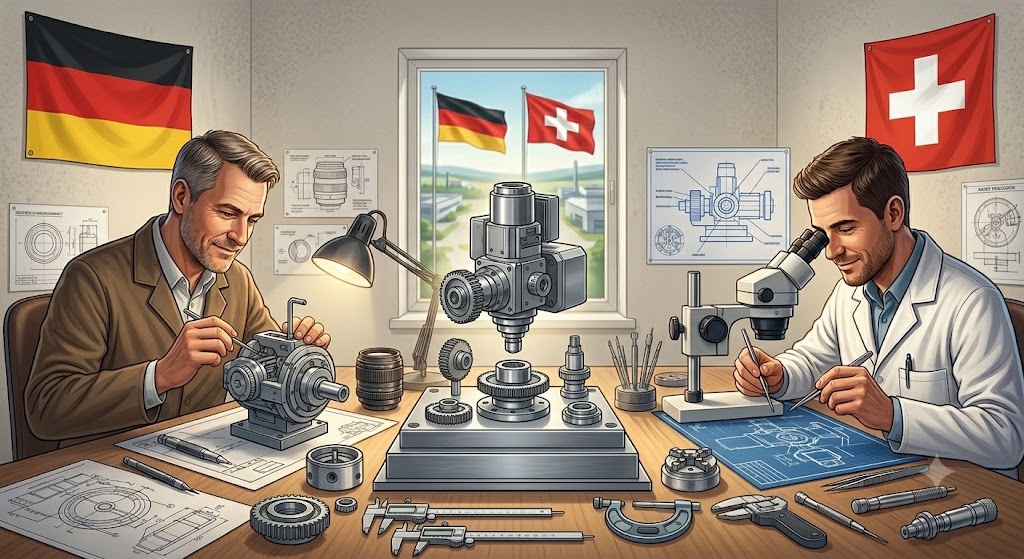
Germany, Japan, Switzerland, Liechtenstein and a couple other countries didn't stumble into a reputation for quality. They built it deliberately, protected it fiercely, and passed it down through generations of craftsmen who understood that their name and their work were the same thing. Meanwhile America, the country that once out-built and out-manufactured the entire world, somewhere along the way decided that good enough was good enough.
How did that happen and what did we lose when it did?
I am not knocking America, I love this country and want the best, but we have to be honest with ourselves and also expect more from ourselves.

A Culture Built Around Craftsmanship
In Germany the path to becoming a skilled tradesperson is not an afterthought. It is a structured, respected, multi-year process called the dual education system. Students split their time between classroom learning and real world apprenticeships with master craftsmen. By the time they finish they don't just know how to do the job, they understand it at a level that takes most American workers decades to reach if they ever get there at all.
The title of Meister, or master craftsman, is not handed out. It is earned through years of work, formal education, and demonstrated mastery of a trade. It carries real weight in German society. A Meister is not just someone who is good at their job. They are someone who has proven it through a system designed to maintain a standard.
That standard shows up in everything they make. German tools, German machinery, German engineering. The reputation exists because the system that produces it demands it.
How Switzerland and Germany Kept the Standard High
Switzerland takes it even further. "Swiss Made" is one of the most recognized quality marks in the world and they protect it legally. To put Swiss Made on a product a certain percentage of the production costs have to occur in Switzerland and the product has to meet specific quality standards. It is not a marketing claim, it is a regulated designation with real teeth.
Both countries made a collective decision decades ago that competing on price was a race they didn't want to run. Instead they competed on quality, precision, and reputation. They built industries around doing things right rather than doing things cheap and the world rewarded them for it.
Their tools reflect this. Brands like Festool, Bosch, Fein, and Hilti come from this tradition. You pay more for them and you get more. Not just in performance but in the philosophy behind them. These are tools built by people who would be embarrassed to put their name on something that wasn't excellent.
When America Stopped Caring About Quality
America built some of the finest tools and machinery the world had ever seen. After World War II American manufacturing was the envy of the planet. The infrastructure, the innovation, the work ethic, and the pride that went into American made products set the standard for an entire generation.
Then something shifted. The pressure to cut costs started winning arguments it shouldn't have won. Manufacturing moved overseas where labor was cheap and oversight was minimal. The skilled workforce that had built those industries retired and wasn't replaced. Trade schools emptied out. Shop class disappeared from schools. And slowly the culture that produced quality workmanship got hollowed out from the inside.
It didn't happen overnight. It crept in gradually through a thousand small decisions that each seemed reasonable on their own. Lower the price point here, simplify the design there, move production to save money on this one line. And then one day you look up and the thing that made American manufacturing great is gone and nobody is quite sure when it left.
The Race to the Bottom and What It Cost Us
When price becomes the only thing that matters, quality becomes the first casualty. That's just math. You cannot consistently produce excellent work with cheap materials, undertrained workers, and no cultural expectation of excellence. Something has to give and it's never the profit margin.
The race to the bottom didn't just cost us quality products. It cost us the identity that came with making them. There was a pride in American manufacturing that ran deeper than economics. It was tied to who we were as a country, what we stood for, what we were capable of. When we outsourced the work we outsourced a piece of that too.
The consumer paid for it in ways that don't always show up on a receipt. Tools that don't last. Work that has to be redone. Craftsmanship that was never there to begin with. And a slow erosion of the expectation that things should be built well because for a long time they just weren't.
Is American Craftsmanship Dead or Just Sleeping?
It's not dead. It's just not loud enough right now.
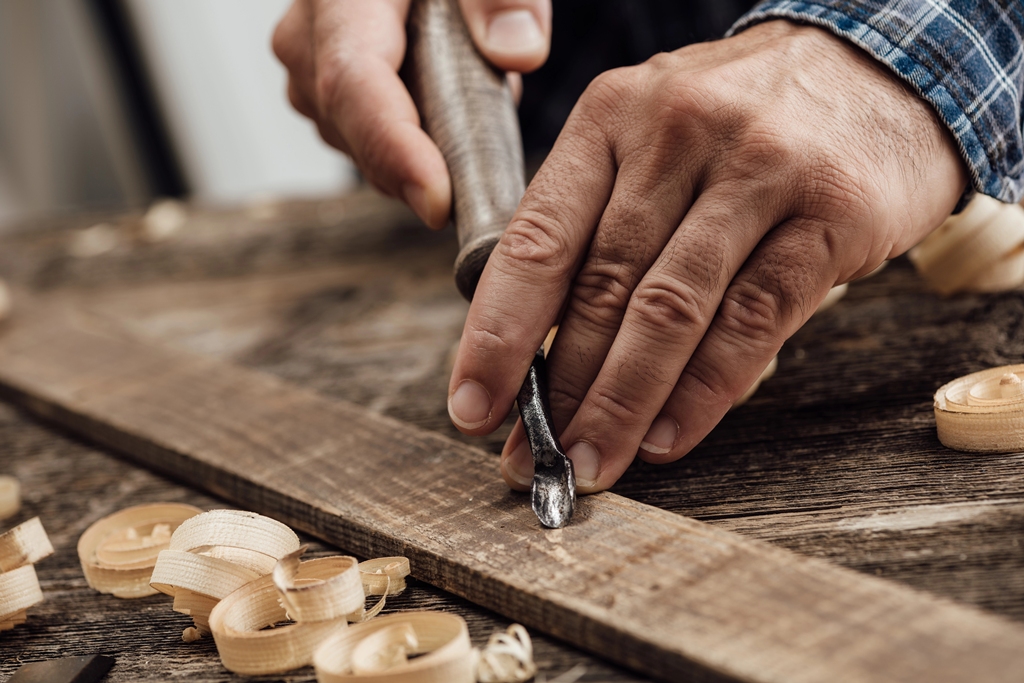
There are still Americans building things the right way. Custom furniture makers, specialty tool manufacturers, independent contractors who take genuine pride in their work and have the reputation to prove it. The tradition never fully disappeared. It just got pushed to the margins by a culture that stopped rewarding it.
The encouraging part is that something is shifting. There's a growing appetite for things that are built well and built to last. People are tired of buying the same cheap product three times. They're starting to ask where things are made and who made them. They're willing to pay more for something that actually holds up.
That's how a culture of craftsmanship comes back. Not through policy or programs but through enough people deciding that quality matters and putting their money where that belief is.
A perfect example is Zoeller Sump Pumps. They are more costly than the Chinese counterpart, but they last a lot longer. Plus you are helping an American company and American workers. Yes you may pay a little more upfront, but you replace the pump less, which in the long run, you are saving money, plus you are helping your country.
The Builders Who Are Keeping It Alive
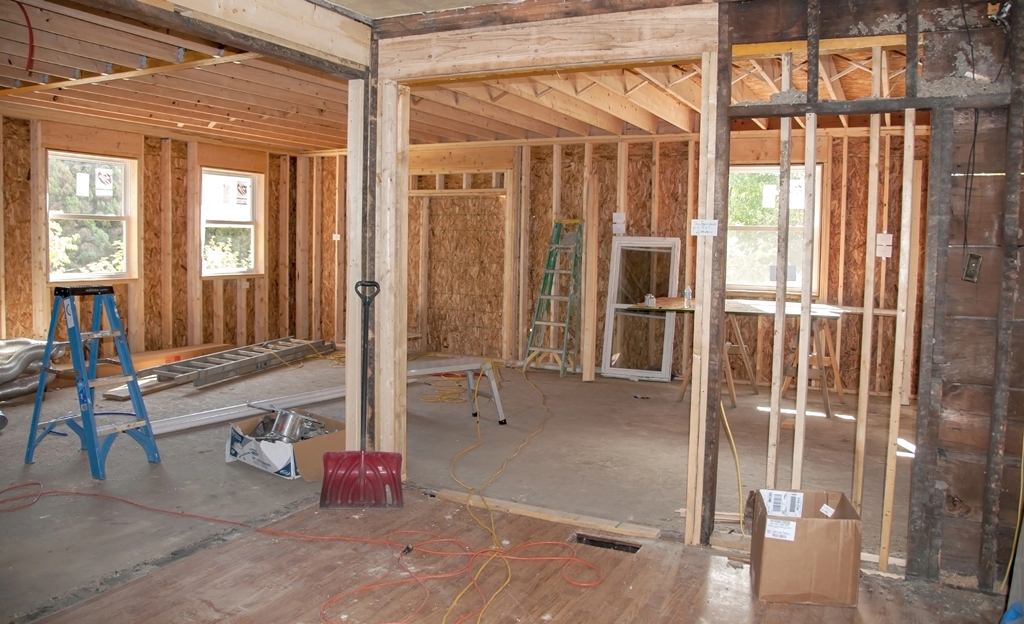
They're out there and they deserve to be talked about. Small American tool companies still making things domestically. Tradespeople who learned their craft from someone who learned it the right way and are passing it on. Woodworkers, metalworkers, and fabricators who compete on excellence.
These are the people keeping the standard alive while the rest of the industry races in the other direction. They don't always get the attention or the market share they deserve but they exist and they matter.
Supporting them is not just a purchase. It's a statement about what you value and what kind of manufacturing culture you want to exist in this country. Every time someone buys something built right by someone who cared, that standard gets a little stronger.
How We Get It Back
It starts with expectation. When consumers stop accepting mediocre work and mediocre products the market has to respond. Quality has to be demanded before it will be delivered consistently. As I said earlier, do you reward based on price then quality, or quality and then price?
It also starts in schools. Bringing back shop class, supporting trade programs, and treating skilled work as a legitimate and respected path changes the pipeline. You cannot have a culture of craftsmanship without craftsmen and you cannot have craftsmen without a system that produces and values them.
It starts with the guys doing the work too. Taking pride in what you put your name on. Not cutting corners because nobody is watching. Treating every job like your reputation depends on it because it does. The culture of quality is built one project at a time by people who decide it matters.
Germany didn't get there by accident. They got there by deciding that excellence was non-negotiable and then building every system around that decision. We did it once. We can do it again.
FAQ
Because they cost more to make. Better materials, stricter quality control, skilled labor that is paid fairly, and a manufacturing culture that doesn't cut corners adds up. You are not paying for a brand name, you are paying for what goes into the product. The price difference usually shows up in how long the tool lasts and how well it performs over time.
A lot of them got bought, consolidated, and moved overseas. The name stayed but the manufacturing changed. Some brands that used to mean something are now just a label on a product made somewhere else. It's worth researching who actually owns the brands you buy and where the products are made before you assume the name still means what it used to.
Absolutely. The issue was never capability, it was priority. When American manufacturers decided to compete on price instead of quality the outcome was predictable. The companies that stayed focused on quality never lost their edge. The question is whether enough of the industry decides to go back in that direction. Klein is a perfect example. American quality. The problem they face is they have no idea on how to market their products.
Quality Is a Choice, Start Making It
Germany didn't wake up one day with a reputation for excellence. They built it. Generation after generation of craftsmen who decided that putting their name on something meant that something had to be worth putting their name on. That standard got passed down, protected, and eventually became part of who they are as a culture.
We had that too. Not long ago by historical standards, America was building things that the rest of the world measured themselves against. That didn't disappear because we lost the ability. It disappeared because we stopped making it a priority.
The good news is that priorities can be changed.
It doesn't require a government program or a national initiative. It requires enough individual people deciding that quality matters. Enough consumers willing to pay for things built right. Enough tradespeople who take pride in their work regardless of whether anyone is watching. Enough parents steering their kids toward skilled work, and telling them it's something to be proud of. Enough companies deciding that their reputation is worth more than a cheaper production cost.
That's how a culture shifts. Not all at once but one decision at a time.
The Germans figured it out. The Swiss figured it out. We knew it once and we can find our way back to it. But it starts with a choice and that choice starts with you.
Buy better. Build better. Expect better.
That's how it comes back.
