

Table of Contents
- Introduction, The Day They Took Shop Class Away
- Why Schools Cut Shop and Auto in the First Place
- What Students Lost When the Saws Went Silent
- The Generation That Cannot Fix Anything
- How This Created the Trades Shortage
- What Other Countries Still Get Right
- Schools That Are Bringing It Back
- What Parents Can Do Right Now
- FAQ
- It Is Not Too Late But We Need to Start Now
Introduction
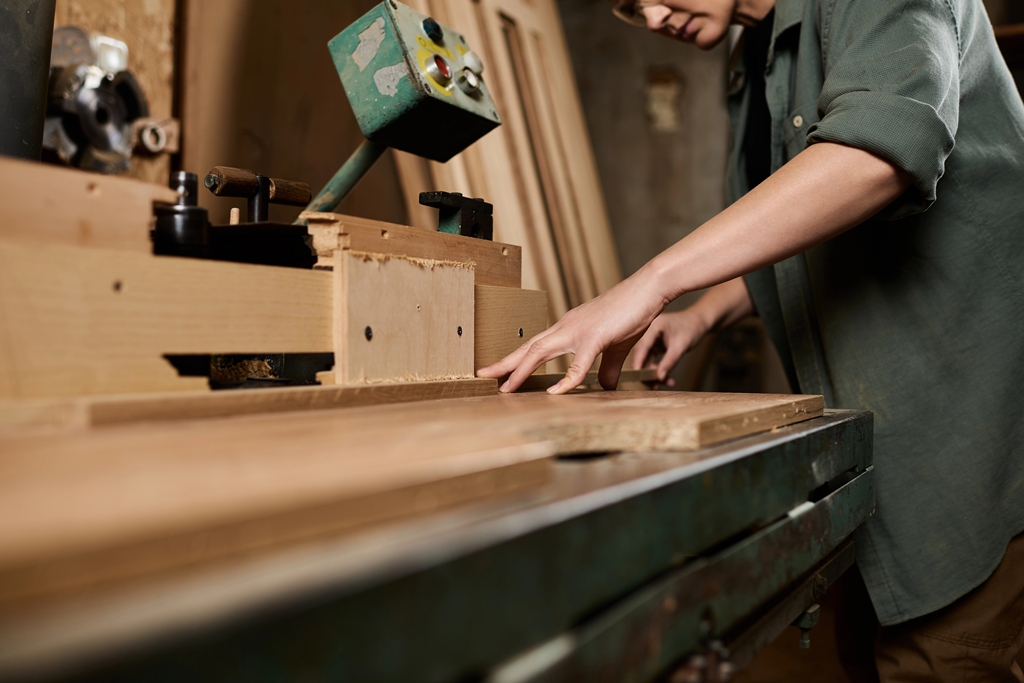
There was a time not that long ago when most American high schools had a shop class. Maybe two or three. Wood shop, auto shop, metal shop. You walked in, put on safety glasses, and learned how to actually make something. How to measure and cut and join and finish. How an engine worked and what happened when it didn't. How to use your hands to solve a real problem.
Then one by one those classes started disappearing. Budget cuts here, curriculum changes there, a growing belief that vocational education was holding students back from their potential. The shop teachers retired and weren't replaced. The equipment sat unused and eventually got sold off or scrapped. The rooms got converted into something else.
And nobody really made a big deal about it at the time. It was just shop class. It wasn't like they were cutting Math or English. It was the class where kids built birdhouses and changed oil. How important could it really be?
Turns out pretty important. We just didn't find out until it was too late. It's a shame because in high school my woods and auto class was one of my favorites. Even though I didn't go into the trades, I learned a lot that I applied to my life, and it has saved me so much money over the years. Plus, I have the memories of having fun with my buddies in those classes.
Why Schools Cut Shop and Auto in the First Place
The decision to cut shop and vocational programs from American schools didn't happen randomly. It was driven by a specific set of beliefs that took hold in education policy starting in the 1980s and accelerated through the 1990s and 2000s.
The push toward college for everyone meant that resources followed academic preparation. Schools were being measured on college acceptance rates and standardized test scores. Shop class didn't move those numbers. It didn't show up in the metrics that administrators and politicians were being evaluated on, so it didn't get protected when budgets got tight.
There was also a genuine belief among a lot of educators and parents that vocational education was a track for students who weren't going to college and that steering kids toward it was limiting their potential. The thinking was that every student deserved a chance at higher education and shop class was somehow getting in the way of that.
What nobody stopped to ask was whether every student actually needed to go to college or whether the skills being taught in shop class had value that wasn't showing up in any standardized metric. Those were inconvenient questions, and they didn't get asked until the damage was already done.
And here is the part that really stings. They kept drama class. They kept choir. They kept all kinds of electives that, by any honest measure, prepare students for fewer careers and deliver less practical life value than knowing how to wire an outlet or change a brake pad. But shop had to go. Auto had to go. The classes that actually taught kids how the physical world works got cut while the ones that didn't were protected. I get it, some people like the drama class or choir, but I still don't understand why those stayed and the wood and automotive classes left.

What Students Lost When the Saws Went Silent
The obvious loss is the skill. A generation of young people grew up without ever learning how to use a table saw, change their oil, wire a switch, or build something from raw materials. That gap shows up every day in the number of people who cannot fix basic things in their own homes and the contractor bills that result from it.
But the less obvious loss might be bigger. Shop class taught something very hard to teach in a traditional classroom. It taught problem-solving in the real world. It taught the relationship between a plan and an execution and what happens when reality doesn't cooperate with the plan. It taught patience, precision, and the satisfaction of finishing something you started.
It also gave a certain kind of student something that nothing else in the school day gave them. A place where they were good. Where their kind of intelligence - the spatial, the mechanical, the hands-on- was the intelligence that mattered. For a lot of kids, shop class was the reason they came to school. When it disappeared, those kids lost something they never got back, and the school system lost them not long after.
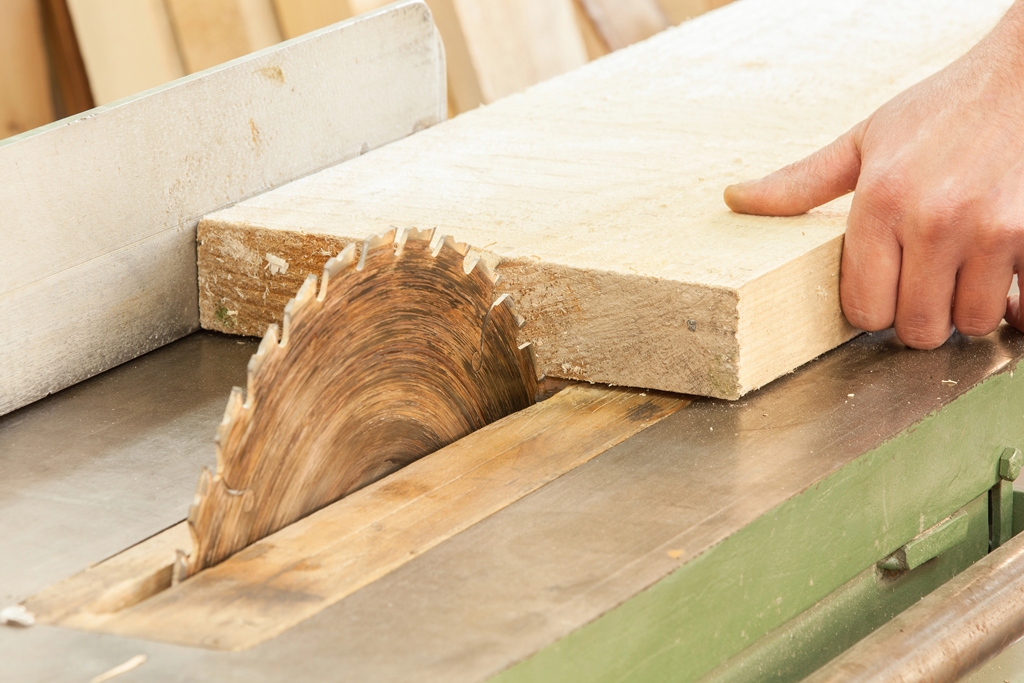
I still remember in my woodshop class, we had this big table saw; I think back to how we could use it without any supervision; no way would that fly today. Anyways, I was running a piece of wood through it, and I had no idea how to use it. The wood kicked back, flew about 15 feet into a set of wood cabinets, and was so loud. The teacher just looked at me; that was it. But my buddies- well, I heard about that; well, even today it still comes up.
The Generation That Cannot Fix Anything
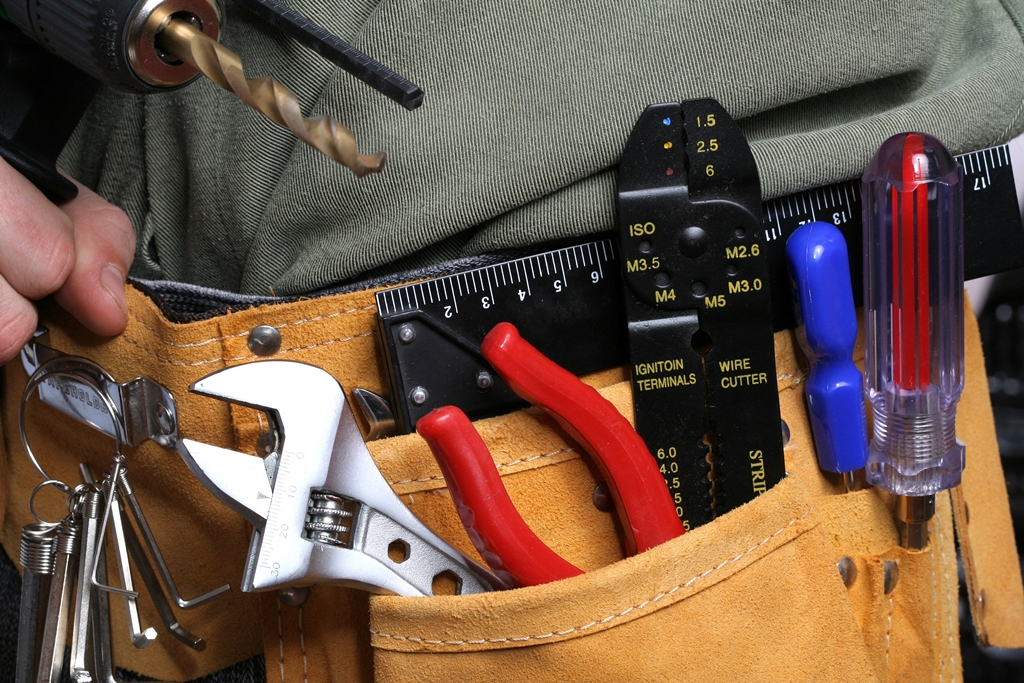
Walk through any neighborhood and ask people how many of them could change a faucet washer, replace an outlet, patch a section of drywall, or diagnose a basic car problem. The number is going to be low, and it gets lower with every younger generation you ask.
This is not about intelligence. The people who cannot fix these things are not less capable than the generations before them. They were just never taught. The school system decided those skills were not worth teaching, and then nobody else stepped in to fill the gap. Shop class at home disappeared too, as fathers who never learned passed that void on to their sons.
The result is a population that is increasingly dependent on service professionals for things that previous generations handled themselves as a matter of course. Every leaky faucet is a plumber call. Every electrical issue is an electrician. Every strange noise from the car is a trip to the shop. None of those things are bad on their own, but the cumulative cost of not knowing how to do anything yourself is significant, and it adds up over a lifetime.
How This Created the Trades Shortage
The trades shortage that every contractor, every homeowner, and every municipality in America is dealing with right now did not come from nowhere. It was built over thirty years of systematically removing the pipeline that fed young people into skilled trade careers.
Shop class was not just about teaching skills. It was a discovery mechanism. It was where a kid who had never thought about being an electrician picked up a wire and felt something click. Where a student who struggled in every other class found out she was extraordinary with her hands. Where the next generation of plumbers, carpenters, and HVAC technicians got their first taste of the work and decided they wanted more of it.
When you remove that discovery mechanism from the school day, you don't just lose the skills being taught. You lose the career pipeline that those classes quietly fed for generations. The shop teacher who sparked a kid's interest in the trades in 1975 is responsible for an electrician who is still working today. There is no equivalent figure doing that work for the generation that grew up without shop class, and the trades shortage is the direct result.
What Other Countries Still Get Right
Germany requires it. Switzerland values it. Australia has maintained robust vocational education programs throughout the same period that America was dismantling theirs. These are not countries that view trade education as a lesser path. They view it as an essential one.
The German dual education system that produces some of the best skilled tradespeople in the world starts with the premise that not everyone is destined for university, and that is completely fine. It treats the path into a skilled trade as equally valid and equally worthy of investment as the path into higher education. The result is an exceptionally skilled workforce, a trades sector that is healthy and well staffed, and a manufacturing base that is the envy of the industrialized world.
America looked at that model and decided college for everyone was a better idea. The results of that experiment are in, and they are not good.
Schools That Are Bringing It Back
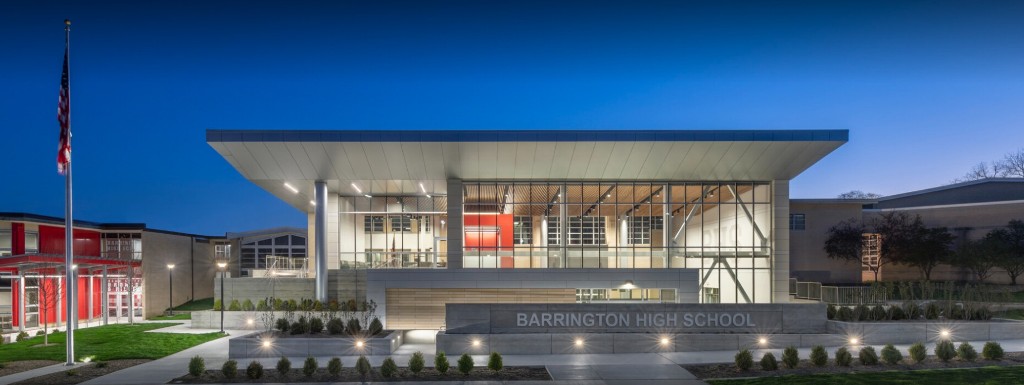
The good news is that some schools, some districts, and some states are starting to figure out what was lost and trying to get it back. Career and technical education programs are growing in a number of states. Some high schools have rebuilt their shop programs from scratch after years of absence. Community colleges have expanded trade and vocational programs to meet demand that the high school system stopped preparing students for.
There are also private initiatives and nonprofit programs working to bring hands-on skills education back to young people outside of the traditional school system. Makerspaces, trade-focused after-school programs, and apprenticeship pipelines that start earlier than they used to are all part of a growing movement to close the gap that policy created.
It is not enough yet. The scale of what was lost is significant, and rebuilding it takes time, investment, and a genuine shift in how education policy values vocational skills. But the direction is starting to change, and that matters.
What Parents Can Do Right Now
You do not have to wait for the school system to fix this. Parents have always been the first and most important teachers their kids have, and there is plenty you can do right now to give your kids the hands-on education the school might not be providing.
Start by including them in projects around the house. Let them hand you tools, watch you work, ask questions, and eventually try things themselves under your supervision. Buy them a basic tool set and let them build things. Take them to the hardware store and explain what you are buying and why. Let them help with car maintenance at whatever level is age-appropriate.
If your school has any remaining shop or vocational programs, encourage your kids to take them and push back if administrators try to steer them away. Talk to your school board about restoring programs that have been cut. There is growing political will to support vocational education, and parent voices matter in those conversations.
And talk openly about the trades as a legitimate and respected career path. The stigma that helped kill shop class in the first place lives in the attitudes we pass on to our kids. Change the conversation at home, and you start changing it everywhere.
FAQ
Mostly because of perception and politics. Drama and choir fit more neatly into the college prep narrative that took over education policy. They were seen as enrichment. Shop and auto were seen as vocational tracks for students who weren't going to college and that perception made them easier to cut when budgets got tight. The irony is that the practical skills taught in shop class have more real world application for more people than almost any other elective that survived the cuts.
Yes and significantly. Shop class was never just about teaching skills. It was a discovery mechanism that introduced young people to trade work and created the career pipeline that fed the industry for generations. Rebuilding that pipeline will not solve the shortage overnight but it is one of the most important long term investments the education system can make to address it.
Yes. Several states have made significant investments in career and technical education programs at the high school level. Texas, Tennessee, and Georgia have been recognized for expanding vocational pathways. Some states are offering funding incentives for schools that restore or expand trade programs. The movement is real even if it is not yet at the scale needed to fully address what was lost.
It Is Not Too Late But We Need to Start Now
A generation of kids went through school without ever picking up a saw, crawling under a car, or wiring a simple circuit. That happened because the people making decisions about education decided those things weren't worth teaching. They were wrong, and the evidence is everywhere. In the trades shortage. In the contractor bills. In the adults who cannot fix a single thing in their own homes. In the young people who never discovered a talent they didn't know they had because nobody ever put a tool in their hand.
But here is the thing about mistakes. You can keep making them, or you can stop.
The path forward is not complicated, even if it is not easy. Bring shop class back. Fund vocational programs the same way academic programs get funded. Stop treating the trades as a lesser path and start talking about them the way the data says we should, as skilled, well-paying, AI-resistant careers that this country desperately needs more people in. Change the conversation at home, at school board meetings, and in the policies that shape what happens in classrooms.
And in the meantime, do not wait for the system to fix itself. Teach your kids how things work. Let them get their hands dirty. Show them that knowing how to fix something is not a sign of limited potential; it is a sign of real capability. The kid who can build something, diagnose something, and fix something is not behind the kid who can only read about it. In most real-world situations, that kid is ahead.
Shop class did not just teach skills. It taught a way of engaging with the world. A belief that problems can be solved, that things can be built, and that your hands are tools as powerful as your mind when you know how to use them. That lesson is worth fighting to bring back.
