
Table of Contents
- Introduction, The Job Site Is Not What It Used to Be
- Tool Tracking, Know Where Everything Is at All Times
- Safer Tools, How Technology Is Reducing Injuries
- Connected Job Sites, Apps and Software Running the Show
- Wearables and Safety Gear Getting Smarter
- Who Is Leading the Charge
- What Smaller Contractors Can Do Right Now
- Is the Investment Worth It?
- FAQ
- The Smartest Job Sites Win. Is Yours Ready?
Introduction
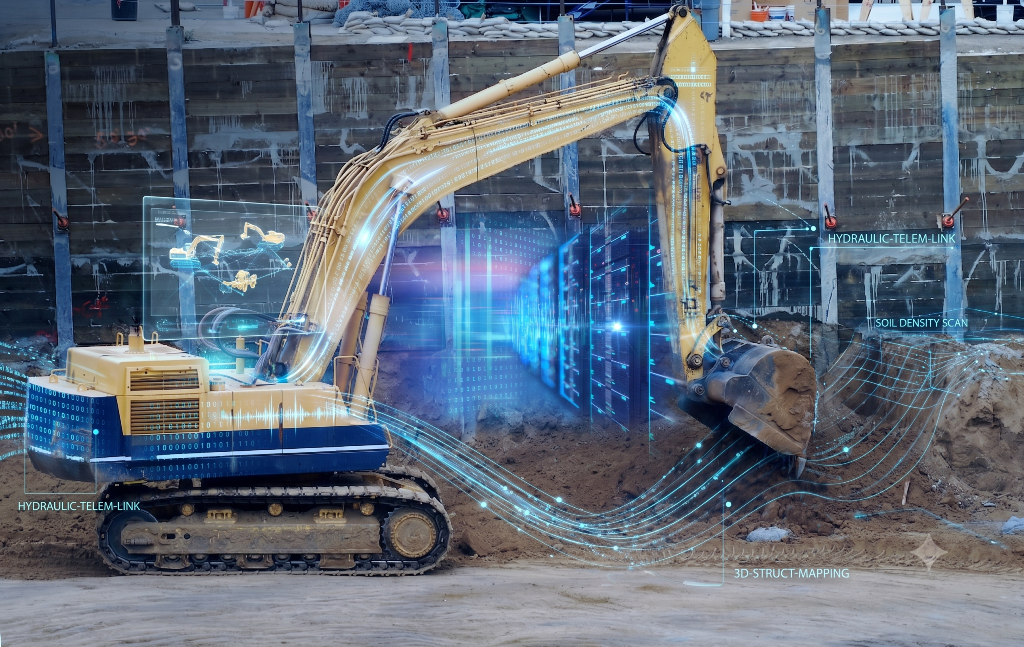
Walk onto a job site today and compare it to one from twenty years ago. The work is the same in a lot of ways. Things still get built, pipes still get run, wire still gets pulled. But the way that work gets managed, tracked, and executed is changing faster than most people in the industry realize.
Technology has been creeping onto job sites for years, but it has accelerated dramatically in the last decade. The tools are smarter. The safety equipment is smarter. The way crews communicate, track materials, and manage schedules is smarter. And the companies that are embracing that shift are operating at a level that the ones ignoring it simply cannot match.
This is not about replacing the skilled tradesperson. The electrician, the carpenter, the plumber, their knowledge and their hands are still what makes a job site work. What technology does is make those people more effective, safer, and more productive than they could ever be without it. And in an industry where margins are tight, schedules are unforgiving, and the cost of mistakes is significant, that edge matters enormously.
Tool Tracking
If you have ever spent twenty minutes looking for a tool on a job site, you understand exactly why this technology exists. On a large commercial site, tools walk away, get left in the wrong place, or simply disappear into the chaos of a busy project. The cost in lost time alone is significant. The cost of replacing stolen or lost equipment adds up fast.
Bluetooth- and GPS-enabled tool tracking has changed this completely for the job sites using it. Tools equipped with tracking tags or built-in tracking technology can be located instantly from a phone or tablet. Inventory management systems know what is on site, what has been checked out, and what is missing before the crew even starts the morning.
Beyond the convenience, there is a real financial impact. Contractors who implement tool tracking systems consistently report significant reductions in tool loss and theft. The time saved not looking for equipment adds up across a crew over the course of a project. And the accountability that comes with knowing every tool is tracked changes behavior on the job site in ways that protect the contractor’s investment.
Some of the most sophisticated systems now integrate with project management software so tool location and availability are part of the overall project tracking picture. You know where the tools are, who has them, and whether the right equipment is in the right place for the work scheduled that day.
Safer Tools
Job sites are dangerous. That has always been true, and despite decades of safety improvements, construction remains one of the most injury-prone industries. Technology is changing that in ways that are genuinely significant.
Saw Stop technology is one of the most dramatic examples. A table saw that can detect the difference between wood and human flesh and stop the blade in milliseconds before serious injury occurs. What used to be a catastrophic accident becomes a minor incident. The technology has been around for years, and the injury prevention record is remarkable.
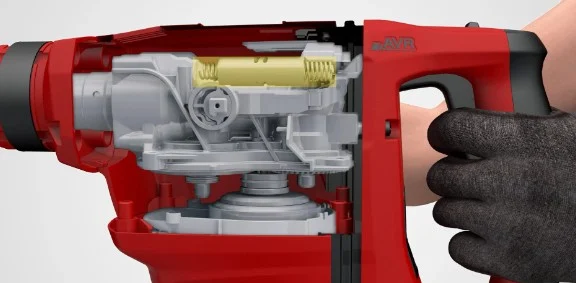
Power tools with electronic clutches and torque control prevent the kickback injuries that have put countless workers on the injured list over the years. These tools monitor their own performance and shut down when something is wrong rather than continuing to operate in a way that could hurt someone. Anti-vibration technology in tools used for extended periods reduces the long term joint and nerve damage that has been an occupational hazard for tradespeople for generations.
Wearable technology is also making inroads on job sites. Smart hard hats that can detect impacts and alert supervisors. Vests with sensors that monitor fatigue and posture. GPS-enabled safety equipment that can locate a worker in an emergency. These are not science fiction. They are available today, and the job sites using them are safer for it.

Connected Job Sites
The paperwork that used to consume hours of a foreman’s day has moved to a tablet. The phone calls trying to track down a subcontractor have been replaced by project management platforms where everyone on the job can see the schedule, the updates, and the issues in real time.
Software platforms designed specifically for construction project management have transformed how large and medium-sized jobs get run. Scheduling, budgeting, change order management, subcontractor coordination, and inspection tracking are all accessible from a phone or tablet on the job site. Problems get flagged faster. Changes get communicated to the right people immediately. The gap between what is happening on the ground and what the project manager knows about is measured in minutes instead of days.
For smaller contractors, the barrier to entry on this technology has dropped dramatically. The same tools that used to require enterprise-level investment are now available as affordable subscription software that a two-person operation can use as effectively as a large general contractor.
The connected job site means fewer surprises, faster problem-solving, and a level of coordination between trades that was genuinely difficult to achieve when everything ran on paper and phone calls.

Wearables and Safety Gear Getting Smarter
The hard hat is not going away, but it is getting smarter. Modern job site wearables go far beyond basic head protection and high visibility vests. The technology being built into personal protective equipment today would have seemed remarkable just a decade ago.
Smart hard hats with built-in sensors can detect if a worker has been in an impact, monitor environmental conditions like temperature and air quality, and in some versions provide augmented reality overlays that give workers access to plans and specifications without pulling out a phone or tablet. Some models have built-in communication systems that keep crews connected across large sites without the radio clutter that traditional communication creates.
Exoskeletons are starting to appear on job sites for tasks involving heavy lifting or sustained awkward postures. These wearable support systems reduce the physical strain on workers performing repetitive heavy work, and the data on injury reduction for the job sites using them is compelling.
Smart boots with puncture detection, gloves with grip sensors, and vests that monitor heart rate and body temperature round out a picture of personal protective equipment that is actively looking out for the worker rather than just providing passive protection. The investment is higher than standard PPE, but the reduction in injury-related costs, lost time, and workers’ compensation claims makes the math work for contractors paying attention to it.
Who Is Leading the Charge
A lot of tool companies talk about technology. Hilti actually builds systems around it in a way that changes how job sites operate at a fundamental level.
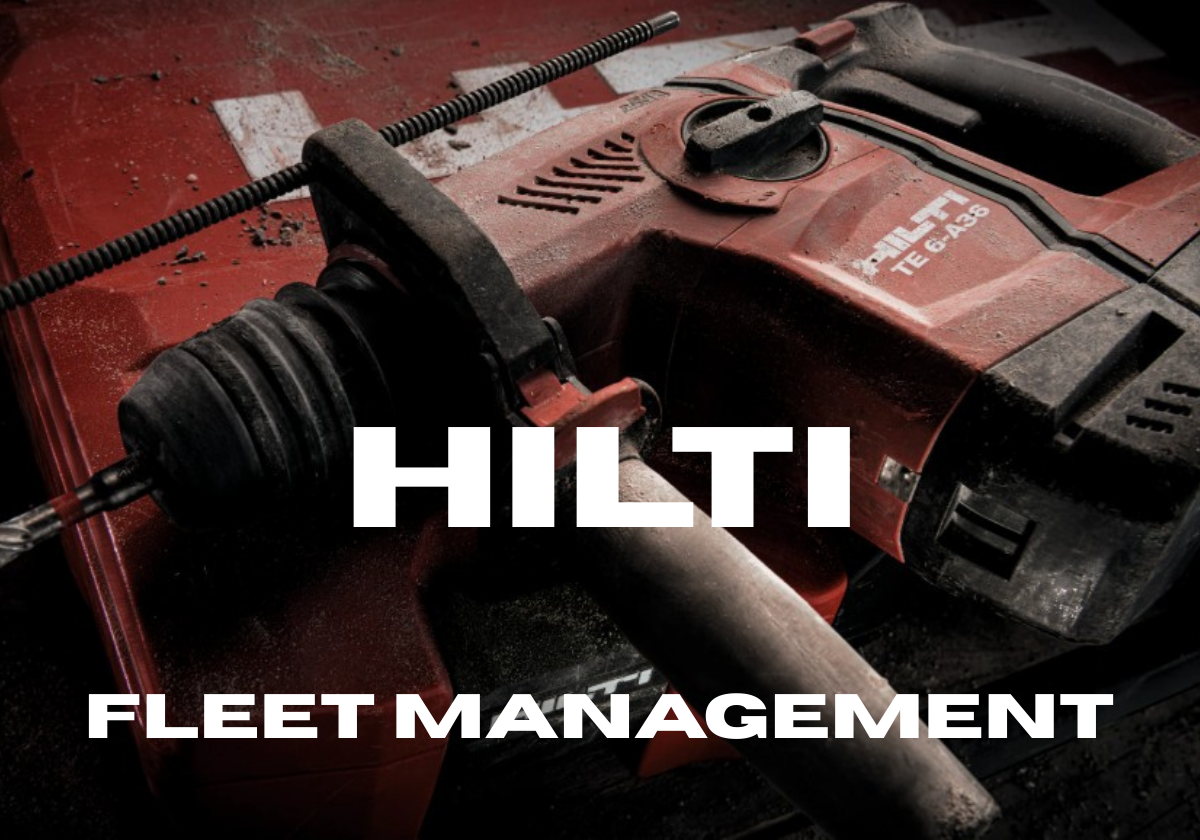
Hilti’s ON!Track asset management system is one of the most comprehensive tool and equipment tracking platforms available to the construction industry. It doesn’t just tell you where a tool is. It manages the entire lifecycle of every piece of equipment, maintenance schedules, calibration records, utilization data, and replacement planning. For a large contractor managing thousands of tools and pieces of equipment across multiple sites, the operational value of that system is enormous.
But what really sets Hilti apart is the philosophy behind it. Hilti does not just sell you a tool and send you on your way. They build a relationship with the job site that includes fleet management, where Hilti owns and maintains the tools, and the contractor pays for access rather than ownership, technical support, training, and a level of service integration that means the contractor does not have to think about their tools. They just work.
That last point is worth sitting with. You do not have to think about your tools. For a project manager running a complex job with a hundred variables competing for their attention every day, removing tool management from the list of things to worry about is genuinely valuable. That is what great technology does. It does not add complexity. It removes it. And in that respect, Hilti is miles ahead of the competition.
What Smaller Contractors Can Do Right Now
You do not need an enterprise budget to start taking advantage of job site technology. The entry points are more accessible than most smaller contractors realize, and the return on even modest investments in the right tools can be significant.
Start with a project management app. There are several excellent options at price points that work for small operations, and the time saved on scheduling, communication, and change order management pays for itself quickly. Get your crew off text message chains and phone calls for job coordination and onto a platform where everyone sees the same information at the same time.
Invest in basic tool tracking for your most expensive equipment. Bluetooth tags are inexpensive, and knowing where your tools are at the end of every day eliminates a real cost that most contractors underestimate.
Look at the safety technology available for the tools you use most. If your crew runs table saws, the investment in safer equipment is worth the conversation. If repetitive heavy lifting is part of the daily work, look at what support equipment is available. The workers’ compensation and liability savings from fewer injuries more than justify the investment over time.
And if you have not had a conversation with a Hilti representative about their fleet management program, it is worth your time. It is not the right fit for every operation, but for contractors at a certain scale, it is one of the most significant operational improvements available in the industry right now.

Is the Investment Worth It?
For most contractors who do the honest math, the answer is yes. The question is not really whether job site technology pays for itself. The data on tool tracking, safety equipment, and project management software consistently shows positive returns. The question is which investments make the most sense for your specific operation and your specific pain points.
Start by identifying where your biggest costs and inefficiencies are. If tool loss and theft are eating your margin, tracking technology is the first move. If project coordination and communication are creating costly mistakes and delays, project management software is the priority. If your injury rate is driving your insurance costs up, safety technology is where to focus.
The companies that approach technology as a strategic tool rather than an overhead expense are the ones pulling away from the competition. The job site technology gap between the contractors who are embracing it and the ones who are not is growing every year. And in an industry where the difference between winning a bid and losing it can come down to a few percentage points of efficiency, that gap matters.
The job site is getting smarter. The contractors getting smarter with it are the ones who are going to be around to build the next decade.
FAQ
Where do I start if I want to bring technology onto my job site?
Start with the problem that costs you the most. If tools are walking off the site, start with tracking. If communication between trades is causing delays and mistakes, start with project management software. If your injury rate is affecting your insurance premiums, start with safety technology. Pick the biggest pain point, solve it, and then build from there. Trying to implement everything at once is overwhelming and usually results in nothing getting implemented well.
How does Hilti’s fleet management program actually work?
Instead of purchasing tools outright you pay a monthly fee and Hilti manages the entire tool fleet for you. That includes maintenance, repairs, calibration, and replacement when tools wear out or get damaged. You always have working tools without the capital expense of ownership or the management burden of maintaining them. For contractors at a certain scale it fundamentally changes how tool costs show up on the balance sheet and eliminates a significant operational headache.
How much can tool tracking actually save a contractor?
It varies by operation but the numbers that get reported consistently are significant. Contractors implementing comprehensive tracking systems report reductions in tool loss and theft of 30 to 50 percent in the first year. On a job site with a significant tool inventory that can translate to tens of thousands of dollars annually. The time savings from not searching for misplaced equipment adds another layer of value that is harder to quantify but very real.
Are smart hard hats and wearables actually being used on real job sites or is this still future technology?
They are on real job sites right now. Large commercial and industrial construction projects, particularly in energy, infrastructure, and high rise construction, have been early adopters. The technology is proven and the injury data from sites using it is compelling. The cost is still higher than standard PPE which limits adoption at smaller operations but prices are coming down and the trajectory is clear.
The Smartest Job Sites Win. Is Yours Ready?
The construction industry has never been known for being an early adopter. It is an industry built on experience, tradition, and the hard-won knowledge of people who have been doing this work for decades. There is real value in that. But tradition and technology are not mutually exclusive, and the job sites that figure that out are the ones setting the pace right now.
The tools available today do not replace the skilled tradesperson. They make that person more effective, safer, and more valuable than they could be without them. The electrician who can locate every tool on the site instantly, work with equipment designed to prevent the injuries that end careers, and coordinate with other trades through a platform where everyone sees the same information in real time is a more productive electrician than the one doing all of that the old way. That is just the reality.
The safety argument alone should be enough. People are going home from job sites with injuries that technology available today could have prevented. That is not acceptable when the solutions exist, and the economics support the investment. Every contractor has a responsibility to the people working for them to take that seriously.
And then there is Hilti. In an industry full of companies selling tools and calling it innovation, Hilti is actually building systems that change how job sites operate. The philosophy of removing complexity rather than adding it, of being a partner to the contractor rather than just a vendor, is the right model, and the results speak for themselves. When you use a system where you do not have to think about your tools because someone else has already thought about everything, that is what great technology actually feels like.
The job site is getting smarter whether you are ready or not. The contractors embracing that reality are pulling ahead. The ones waiting to see how it plays out are falling behind in ways that will be very hard to close later.
The question is not whether job site technology is worth it. The question is how much longer you can afford to wait.
Leave a Reply