

Table of Contents
- Why Most Brands Abandoned Choice
- The Hilti Difference - Engineering Honesty Over Marketing Hype
- When Cordless Wins - The Nuron Platform Advantage
- When Corded Still Dominates - Unlimited Power Has Its Place
- When Gas Is Necessary - Remote Work Demands Real Solutions
- The Right Tool for the Job, Not the Trend
- FAQ
- Final Thoughts - Respect for the Trades
Why Most Brands Abandoned Choice
Over the past decade, something shifted in the tool industry. One by one, major brands started killing off their corded lines. Milwaukee discontinued corded tools. DeWalt slowed corded production to a crawl. Makita pushed everyone toward their battery platforms. The message was clear: cordless is the future, and if you're still plugging in, you're stuck in the past.
But here's the truth they don't want to admit: it wasn't about what's best for the trades. It was about what's best for their bottom line.
Batteries are a recurring revenue stream. A pro who buys a corded tool might use it for 15 years without spending another dollar. But a pro who buys into a battery platform? They're buying batteries, chargers, replacements, upgrades, and new tools every few years as the platform evolves. It's the razor-and-blades business model, and it prints money.
So brands started phasing out corded tools, not because the technology was obsolete, but because it didn't fit their sales strategy. They stopped improving corded lines, stopped offering new models, and let inventory dry up. Then they pointed to declining corded sales as proof that "nobody wants them anymore." It was a self-fulfilling prophecy.
The same thing happened with gas tools. Brands that used to make excellent gas-powered breakers, saws, and compactors quietly let those lines fade. Why? Because gas tools last forever, need minimal parts, and don't tie customers into an ecosystem. There's no subscription model, no proprietary batteries, no planned obsolescence. Just a tool that works until it doesn't, and even then, it's usually fixable.
Hilti watched all of this happen and made a different call. They kept making corded tools. They kept improving gas-powered equipment. And they built the best cordless platform in the industry with Nuron. Not because they couldn't decide on a strategy, but because they respect the fact that different jobs need different solutions.
That's the difference between engineering for the trades and engineering for the shareholders.
The Hilti Difference - Engineering Honesty Over Hype
Hilti could have followed the pack. They have the best cordless platform on the market with Nuron. They could have gone all-in on batteries, discontinued everything else, and forced customers into one ecosystem like everyone else did. It would have been the easier path, and probably more profitable in the short term.
But they didn't.
Instead, Hilti kept doing what they've always done: building the right tool for the job, regardless of what's trendy or what maximizes recurring revenue. That means continuing to engineer and improve corded tools even when the industry declared them dead. It means still offering gas-powered equipment for the jobs that demand it. And it means being honest with customers about when cordless makes sense and when it doesn't.
This approach shows up in their product lineup. Walk through Hilti's catalog and you'll see breakers available in cordless and corded. Saws in all three formats. Drills and grinders across multiple power sources. They're not pushing you toward one answer because there isn't one answer. There's the right answer for your specific job, location, and workflow.
Look, I know this probably sounds like I'm pitching for them again, but I've seen this firsthand. When I was at Hilti Unboxed in Germany, they didn't shy away from showing corded and gas tools alongside their new Nuron lineup. They explained when each power source makes the most sense. No shame, no apologies, no "this is legacy equipment we're phasing out." Just straight talk about real-world applications.
That's rare. Most brands would have buried the non-battery stuff in a back corner or not brought it at all. Hilti put it front and center because they know that pros need options, not limitations.
This is what engineering integrity looks like. It's not flashy. It doesn't generate hype on social media. But it earns trust with the people who actually use the tools every day, and that's worth more than any marketing campaign.
When Cordless Wins - The Nuron Platform Advantage
There's no denying it: cordless technology has come a long way. What used to be a compromise is now, in many cases, the best option. And Hilti's Nuron platform proves just how far the technology has advanced.
The biggest advantage of cordless is obvious: freedom. No extension cords to trip over, no hunting for outlets, no generators to haul around. You grab the tool, drop in a battery, and go to work.
Indoor work is where cordless really dominates. No fumes, no exhaust, no ventilation concerns. You can run a Hilti cordless saw or breaker inside an occupied building without gassing everyone out or setting off smoke alarms. That's not a small thing when you're working in hospitals, schools, or anywhere people are trying to live or work around you.
Cordless tools are also quieter. Not silent, but noticeably less aggressive than gas or even some corded tools. When decibel levels matter, or you're working early mornings in residential areas, that difference keeps you on schedule instead of being shut down by an angry neighbor or building manager.
And then there's setup time. Cordless is fast. You don't need to string cords across a site, fuel up equipment, or wait for a generator to warm up. You just work. At the end of the day, you pack up and leave. No draining fuel, no coiling cords, no cleaning carburetors. It's efficient in ways that add up over weeks and months.
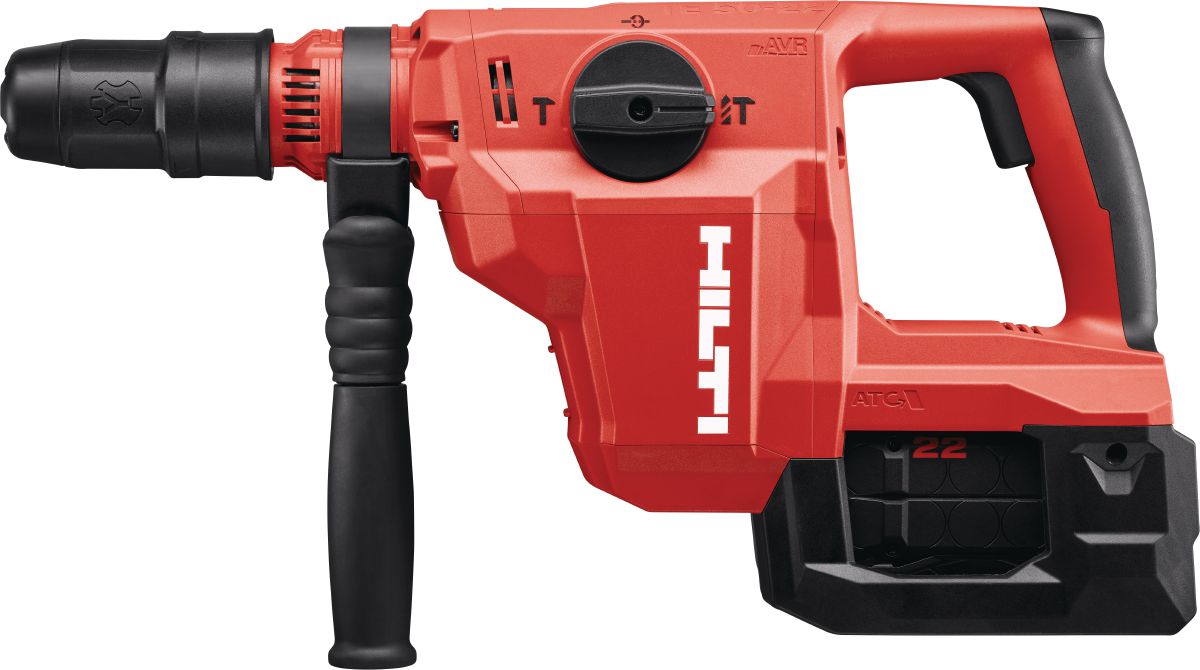
Hilti's Nuron platform takes all of that and backs it with serious engineering. The TE 3000-22 cordless jackhammer is the perfect example. That tool delivers the same breaking power as a 90-pound pneumatic hammer or a corded TE 3000, but it runs on batteries. A few years ago, that would have been impossible. Now it's standard equipment.
The reason Hilti can do this is that they designed the entire system from the ground up for power transfer. Thicker internal wiring, spring-loaded contacts, better heat management, smarter battery cells. It's not just bigger batteries; it's better engineering that moves energy efficiently from the pack to the motor without wasting it as heat or resistance.
When cordless technology works this well, it's not a compromise anymore. It's the best tool for the job. And Hilti proved that without abandoning the other options.
When Corded Still Dominates - Unlimited Power Has Its Place
Cordless is great until it's not. And there are still plenty of situations where a corded tool is the smarter choice, no matter how good battery technology gets.
The biggest advantage of corded power is simple: it never runs out. You plug it in, and it works. All day. No battery swaps, no waiting for recharges, no carrying six packs to make it through a shift. For jobs that require sustained, repetitive work, that consistency matters more than mobility.
Production environments are a perfect example. If you're running the same drill press, grinder, or saw in one spot all day, why would you go cordless? You're not moving around. You don't need portability. What you need is a tool that runs at full power from 7 AM to 5 PM without ever slowing down or stopping. Corded delivers that without question.
Then there's cost. Corded tools are cheaper upfront, and they stay cheaper over time. You're not replacing batteries every few years or buying extra packs to keep rotating through chargers. You buy the tool once, and it works until it doesn't. For contractors managing tight budgets or running dedicated stations, that cost advantage adds up fast.
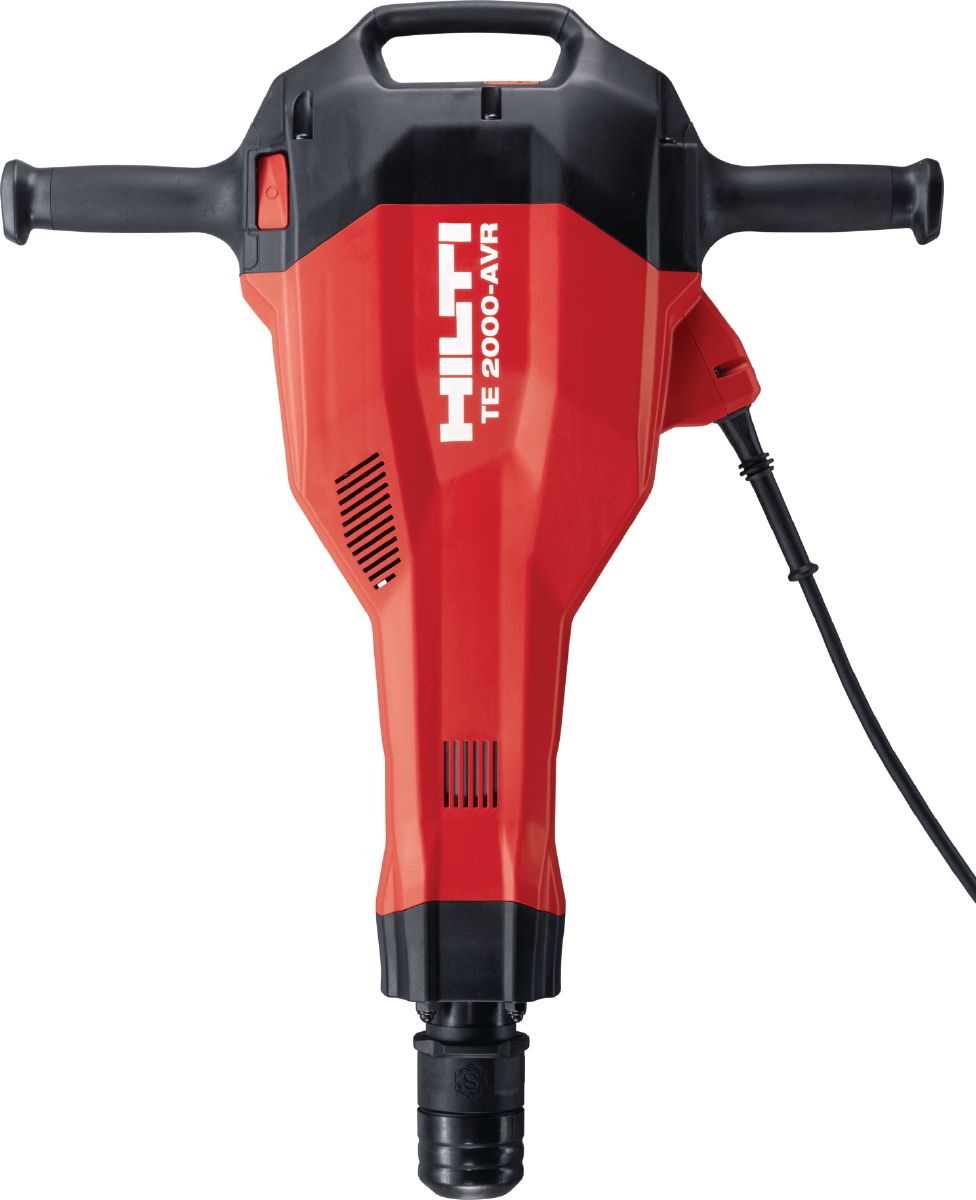
Hilti still makes excellent corded tools because they know these use cases haven't disappeared. Their corded breakers, grinders, and drills are built to the same standards as their Nuron lineup, just without the battery interface. They're not leftovers from a previous generation. They're purpose-built for jobs where unlimited power and lower cost make more sense than portability.
This is what honesty looks like. Hilti could push everyone toward Nuron and make more money on battery sales. Instead, they keep offering corded tools because some jobs just work better that way. And pros appreciate that.
When Gas Is Necessary - Remote Work Demands Real Solutions
Cordless tools have come far, but they haven't replaced gas. Not even close for certain applications. And anyone working utilities, road construction, or remote sites knows exactly why.
The first reason is obvious: no power source needed. You're out on a highway median, miles from the nearest outlet, breaking up concrete or cutting asphalt. What are you supposed to do, run an extension cord back to town? Haul a generator that weighs more than your tools? Gas solves that problem immediately. Fill the tank, pull the cord, and you're working.
Remote job sites are where gas tools prove their worth. Pipeline work, utility installations, bridge repairs, rural construction, these aren't places where you can count on electricity or even have a truck nearby to charge batteries. Gas tools just work, anywhere, without infrastructure. That independence is irreplaceable.
Then there's raw power and runtime. Gas-powered breakers, saws, and compactors deliver sustained high output for hours on a single tank. You're not rotating through battery packs or stopping to recharge. You fuel up once in the morning and run all day. For demolition crews tearing through concrete or road crews cutting miles of asphalt, that endurance is non-negotiable.
Gas tools also handle extreme conditions better. Cold weather kills batteries. Heat degrades them. Dust clogs charging ports. Gas engines? They don't care. As long as you've got fuel and basic maintenance, they keep running in conditions that would shut down a cordless tool or fry its electronics.
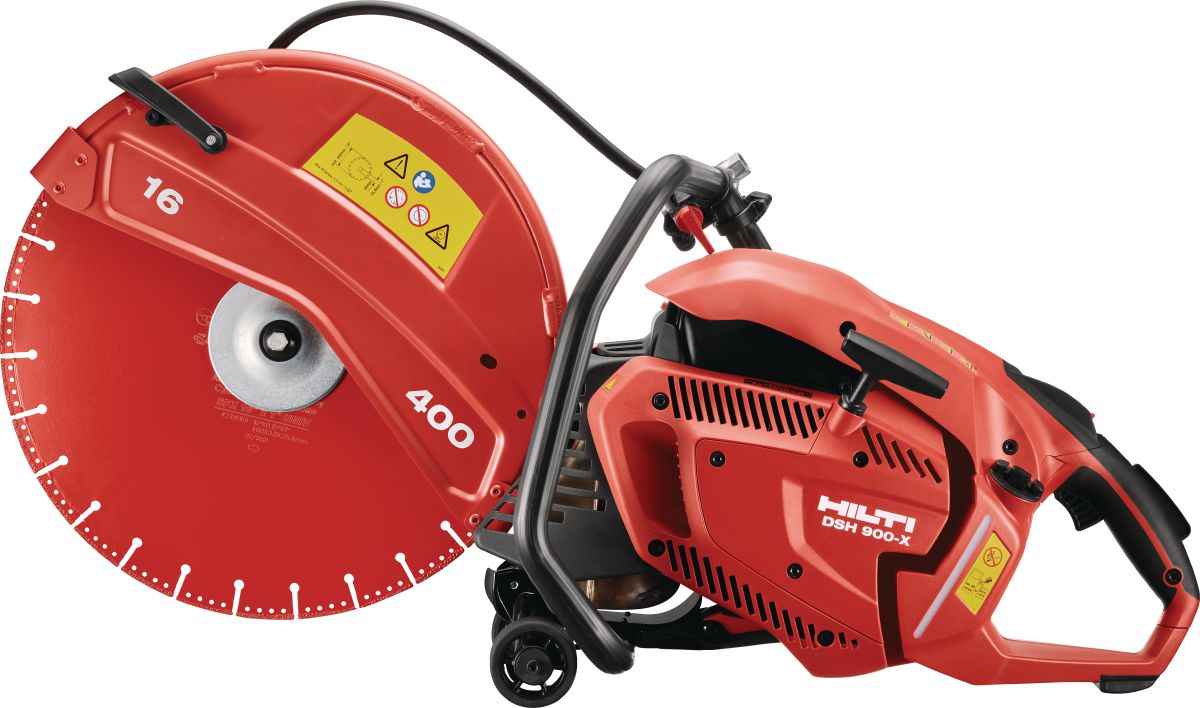
Hilti still engineers and sells gas-powered equipment because they know these jobs exist. Their gas breakers and saws aren't relics. They're professional-grade tools built for the work that batteries can't handle yet. Maybe someday battery technology will close that gap completely, but that day isn't here. And Hilti isn't pretending it is.
This is the kind of honesty that separates Hilti from the pack. They're not forcing everyone into one solution because it's profitable. They're giving pros the tools that actually work for the job at hand. Gas, corded, or cordless, whatever gets it done right.
The Right Tool for the Job, Not the Trend
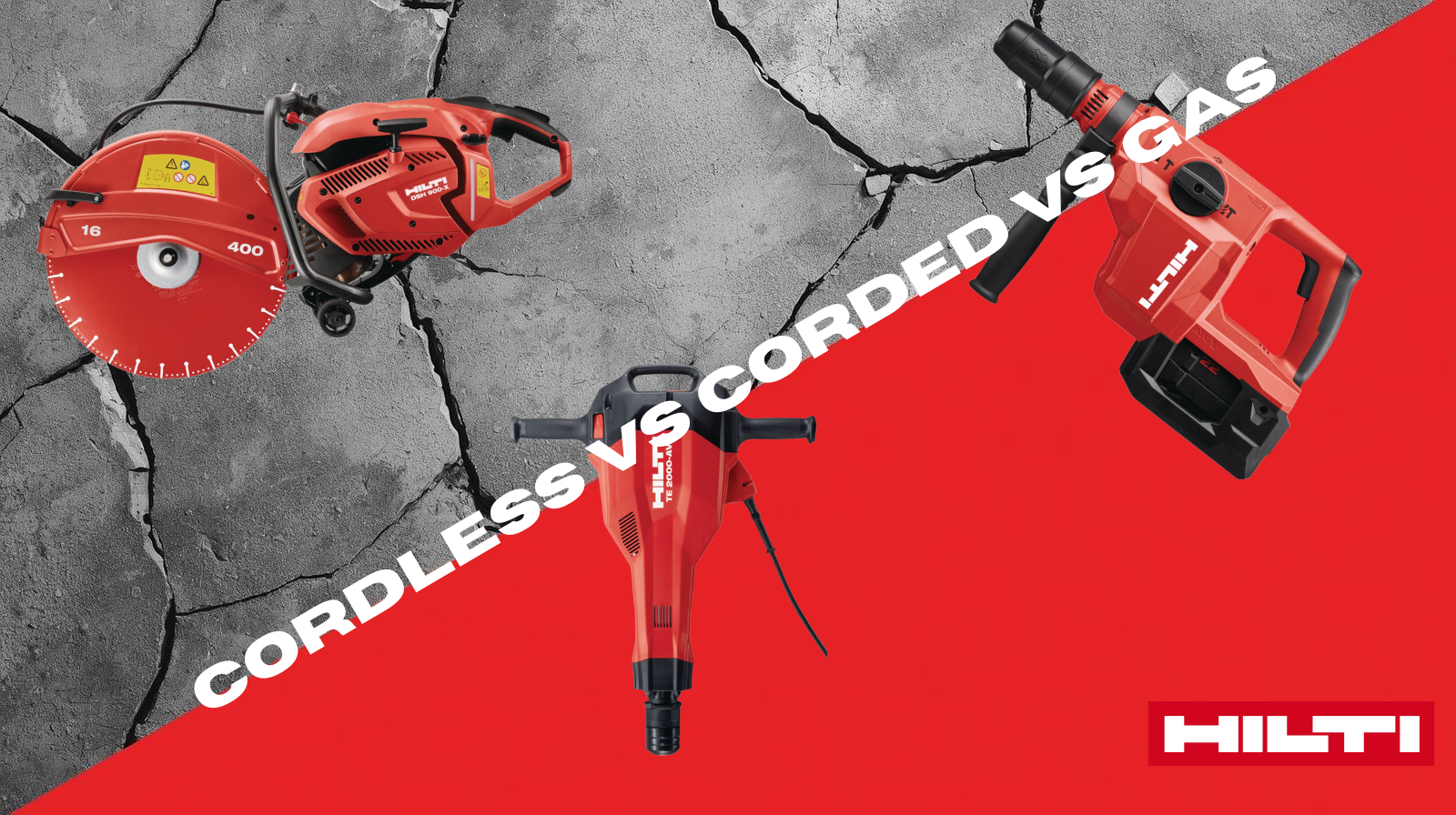
Here's what it comes down to: Hilti trusts you to know what you need. They're not making the decision for you by eliminating options or pushing one power source over another because it's trendy or more profitable. They build all three, corded, cordless, and gas, and let you pick the right one for your work.
That respect for the trades shows up in how they approach their product line. When other brands discontinued corded tools and told customers "you don't need these anymore," Hilti kept improving them. When competitors quietly let gas lines fade, Hilti kept engineering better engines and more efficient designs. And when battery technology finally reached the point where cordless could handle serious work, Hilti built Nuron, the best platform in the industry.
The result is choice. Real choice, not the illusion of it. You're not locked into one ecosystem or forced to compromise because a brand decided what's best for you. You pick based on the job, the location, and what makes the most sense for how you work.
A residential electrician running wire in a finished house? Cordless makes perfect sense. Clean, quiet, mobile, no cords snaking through someone's living room.
A fabrication shop running production all day in one spot? Corded is the obvious call. Unlimited power, no batteries to manage, lower cost.
A utility crew repairing water lines five miles from the nearest building? Gas is the only answer. No outlets, no generator, just fuel and work.
Hilti gives you all three options because they know the trades aren't one-size-fits-all. The jobs are different, the sites are different, the demands are different. Forcing everyone onto one platform might be simpler for the manufacturer, but it's worse for the people doing the work.
This approach costs Hilti more. It's harder to maintain three separate product lines, engineer improvements across all of them, and stock inventory for tools that don't sell in massive volume. But they do it anyway because it's the right thing to do. That's what engineering integrity looks like. Not chasing profits or trends, but respecting the reality of how construction actually works.
At the end of the day, Hilti isn't trying to decide for you. They're giving you the tools to decide for yourself. And that's exactly how it should be.
FAQ
Batteries create recurring revenue through pack replacements, upgrades, and ecosystem lock-in. Corded tools last 15+ years with zero additional purchases, which doesn't fit modern sales strategies. Brands phased out corded lines to push customers toward more profitable battery platforms, not because the technology became obsolete.
For most applications, yes. Hilti's Nuron platform delivers comparable performance to corded tools through superior energy transfer engineering. The TE 3000-22 cordless jackhammer, for example, matches the breaking power of corded and pneumatic equivalents. The main difference is runtime, corded never stops, while cordless requires battery rotation.
With the right battery strategy, yes. Hilti's high-capacity B22-290 and B22-260 batteries combined with their flash chargers allow continuous rotation. Most pros running heavy-duty cordless tools keep 4-6 batteries cycling through chargers to maintain all-day productivity without downtime.
Final Thoughts - Respect for the Trades
Walk into any tool store today and you'll see the same story across every major brand: rows of cordless tools, a shrinking corded section tucked in the back, and gas equipment that's either gone or gathering dust. The industry made a decision for you, and your job is to accept it and buy in.
Hilti didn't make that decision.
They looked at the trades, the real day-to-day work happening on jobsites, highways, pipelines, and production floors, and recognized that one size doesn't fit all. They saw that forcing everyone onto batteries might boost quarterly sales, but it doesn't serve the people actually swinging the tools. So they kept building all three: cordless, corded, and gas. Not because they couldn't pick a lane, but because the work itself demands options.
That choice matters. It means an electrician working inside a hospital can run clean, quiet cordless tools without disturbing patients. It means a fabrication shop can plug in and run production all day without managing battery inventory. It means a road crew can fuel up a gas saw and cut asphalt miles from the nearest outlet. Each of those jobs is real. Each needs a different solution. And Hilti provides all of them without apology.
This is what respect looks like in practice. Not marketing slogans about "empowering the trades" while simultaneously eliminating their options. Not pushing a single platform because it's more profitable. Just honest engineering that acknowledges reality: some jobs need mobility, some need unlimited power, and some need raw independence from infrastructure.
Hilti isn't perfect. Their tools cost more upfront. Their approach is less trendy than going all-in on one technology. But when you need a tool that's built for your specific work, not for a sales strategy, that's where Hilti stands out. They're not trying to lock you into an ecosystem or sell you a vision of the future that doesn't match your present. They're giving you the tool that works, right now, for the job you're doing.
And in an industry that's increasingly driven by profit optimization over practical problem-solving, that kind of honesty is rare. It's the difference between a company that makes tools and a company that respects the people who use them.
