

Table of Contents
- Introduction - How Did We Get Here?
- The Estimate That Was Never Real
- The Vanishing Act - Deposits Gone, Contractor Gone
- Communication Breakdown
- The Race to the Bottom on Price
- How to Vet a Contractor Before You Hire
- Red Flags You Should Never Ignore
- What Good Contractors Look Like
- FAQ
- How to Protect Yourself and Get It Right
Introduction - How Did We Get Here?
Ask anyone who has hired a contractor and you're going to hear a story. Maybe it's the guy who took the deposit and disappeared. Maybe it's the job that was supposed to take two weeks and stretched into four months. Maybe it's the work that looked fine until it didn't and now there's a bigger problem than what they started with. Everyone has a story and that's exactly the problem.
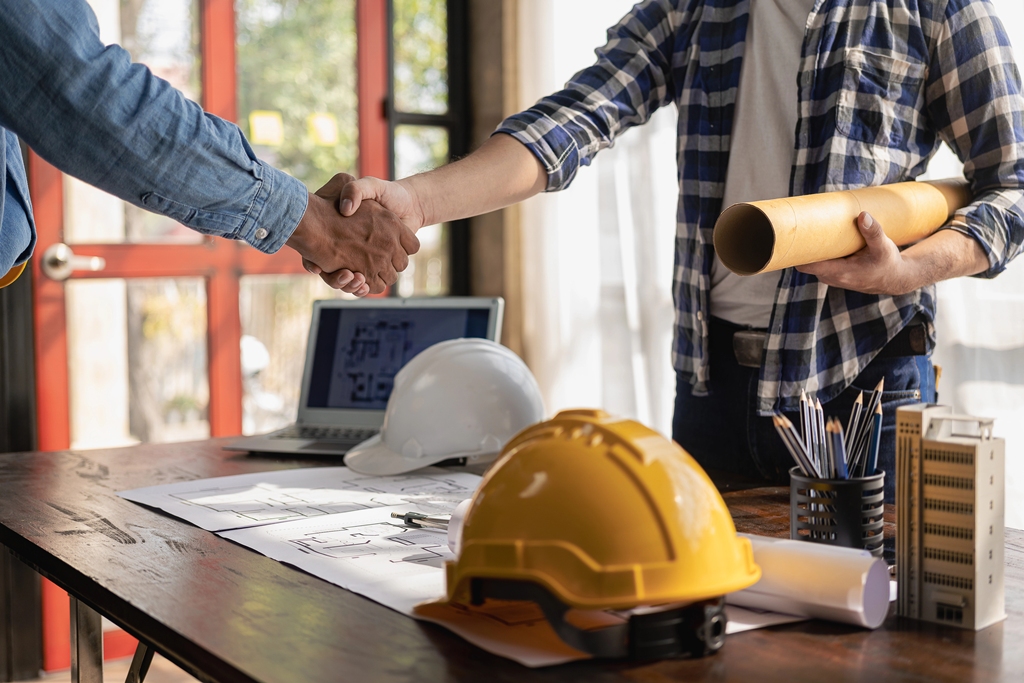
It wasn't always like this. There was a time when a handshake meant something, when a contractor's reputation in the community was everything, when word of mouth could make or break a business. That culture is largely gone and what replaced it is an industry where homeowners go in with their guard up and contractors wonder why nobody trusts them anymore. Both sides are frustrated and the relationship starts broken before the first nail is driven.
This isn't about bashing contractors. There are genuinely good ones out there doing honest work and taking pride in it. This is about understanding why the trust is gone, what to watch out for, and how to find the people who actually deserve your business.
The Estimate That Was Never Real
The lowball estimate is probably the single biggest reason homeowners don't trust contractors. You get three bids, one comes in significantly lower than the others, and it feels like you found a deal. You didn't. What you found is someone who either doesn't know what the job actually costs or knows exactly what it costs and is planning to make up the difference once they're already into your project and you have no easy way out.
Change orders are where this plays out. The job starts, something gets "discovered," and suddenly the price is climbing. Some change orders are legitimate. Things get uncovered during a renovation that nobody could have predicted. But when it happens on every single job, every single time, that's not bad luck. That's a business model.
A real estimate is detailed. It breaks down materials, labor, and timeline. If someone hands you a number on a piece of paper with no breakdown, that's not an estimate. That's a guess and you're going to be the one paying for it.
The Vanishing Act
This one is straightforward and it still happens constantly. Homeowner needs work done, contractor shows up, seems professional, asks for a deposit to get started and order materials, and then vanishes. Phone goes to voicemail, texts go unanswered, and the money is gone.
Even when it's not outright theft it shows up in smaller ways. The contractor who starts your job, gets pulled to another one, and now nobody is showing up at your house for days at a time. The guy who was responsive before you signed the contract and impossible to reach after. This is one of the most common complaints homeowners have and it erodes trust faster than almost anything else.
Deposits are normal and reasonable. A contractor who asks for 100% upfront is a problem. Standard is typically 10 to 30 percent to start, payments tied to milestones, and the final payment when the work is done and you're satisfied. Protect yourself by never paying more than you're comfortable losing.
Communication Breakdown
A lot of contractor relationships don't fall apart because of bad work. They fall apart because of bad communication. The homeowner doesn't know what's happening, nobody shows up when they said they would, questions go unanswered, and the whole thing becomes stressful and adversarial when it didn't have to be.
Good communication is not complicated. It's showing up when you say you're going to show up. It's calling when something changes. It's answering a text within a reasonable amount of time. It's treating the homeowner like a person who deserves to know what's happening in their own house. That's it.
The problem is that most contractors are tradespeople first and businesspeople second. They're great with their hands and not always great with people. That's not an excuse, it's just reality. The ones who figure out that communication is as important as craftsmanship are the ones who build real businesses with real reputations.
The Race to the Bottom on Price
When everyone is competing on price, quality loses. That's just how it works. A contractor who wins jobs by being the cheapest has to cut somewhere to make money and that somewhere is usually materials, labor, or time. None of those are good for you.
The cheapest bid is almost never the best value. Value is the combination of price, quality, and reliability. A contractor who costs more but shows up on time, does the work right, and stands behind it is worth more than one who saves you a few hundred dollars and creates a problem you're dealing with for years.
The culture of always hunting for the lowest price has trained a generation of homeowners to undervalue good work and it's trained a generation of contractors to win jobs dishonestly. Both sides created this problem and both sides are going to have to change if it's going to get better.
How to Vet a Contractor Before You Hire
This is where you take control of the situation before it becomes a situation. Vetting a contractor takes a little time upfront and it saves a lot of pain on the back end.
Start with licensing and insurance. Every contractor working in your home should be licensed in your state and carry both liability insurance and workers compensation. Ask for proof and actually verify it. A license number can be checked online in most states in about two minutes. If someone can't provide this information move on.
References matter but ask the right questions. Don't just ask if they were happy with the work. Ask if the job came in on budget. Ask if it was finished on time. Ask if they would hire them again without hesitation. That last question tells you everything.
Check reviews but read them critically. Look for patterns. One bad review might be an unreasonable customer. The same complaint showing up over and over is a pattern. Also look at how the contractor responds to negative reviews. That tells you a lot about how they handle problems.
Get everything in writing. Scope of work, materials, timeline, payment schedule, warranty. If it's not in the contract it doesn't exist.

Red Flags You Should Never Ignore
Trust your gut. If something feels off before the job starts it's usually off for a reason. That said here are some specific things that should stop you in your tracks.
They want full payment upfront. They don't have a physical address or a real business presence. They pressure you to make a decision immediately. They can't provide references. Their estimate has no detail. They want you to pull your own permits. They show up in an unmarked vehicle with no company information anywhere. They ask you to pay in cash only.
Any one of these on their own is worth a conversation. Several of them together and you walk away.

What Good Contractors Look Like
They exist. They're out there and when you find one you hold onto them. Good contractors are busy because they earn repeat business and referrals. They're not always the easiest to get on the schedule but they're worth the wait.
A good contractor communicates clearly from the first conversation. They give you a detailed estimate without being asked. They're upfront about timeline and they tell you when something changes instead of hoping you won't notice. They take pride in the work itself not just in getting the job.
They also stand behind what they do. If something isn't right they come back and make it right without an argument. That's not exceptional, that's the baseline. The problem is it feels exceptional because we've gotten so used to the alternative.
When you find someone like this, refer them to everyone you know. Good contractors build their businesses on word of mouth and they deserve it.
FAQ
Three is a good number. It gives you enough information to understand what the job should cost without turning it into a full time job managing bids. If one comes in significantly lower than the other two, ask why. The answer will tell you a lot.
At minimum it should have a detailed scope of work, the materials being used including brands and specifications, the total price, a payment schedule tied to milestones, the expected start and completion date, and what the warranty covers. If any of that is missing, ask for it before you sign.
Start by documenting everything with photos and written communication. Give them a chance to make it right in writing. If they refuse, you have options depending on your state including filing a complaint with the licensing board, small claims court, or disputing a credit card charge if you paid that way. This is also why contracts matter.
How to Protect Yourself and Get It Right
The contractor-homeowner relationship doesn't have to be adversarial. It really doesn't. But it takes some work on your end to set it up for success and that starts before you ever pick up the phone to call someone.
Do your homework. Vet the people you bring into your home. Ask the hard questions before the job starts, not after something goes wrong. A contractor who gets uncomfortable when you ask for proof of insurance or a detailed contract is telling you everything you need to know right there.
Put everything in writing and read it before you sign it. Not a skim, an actual read. Know what you're agreeing to, know what the payment schedule looks like, and know what happens if something goes wrong. A good contractor won't have a problem with any of this. In fact a good contractor probably already has all of it ready because they've been burned by unclear expectations too.
Pay attention during the job. You don't need to stand over anyone's shoulder but check in, ask questions, and stay involved. It's your house. You have every right to know what's happening in it.
And when you find someone good, someone who shows up, does the work right, and treats you like a person, tell everyone you know. Leave them a review. Refer them to your neighbors. Good contractors built this country and they still exist. They just need a little help getting found in a world where the bad ones get all the attention.
The trust can come back. It just starts with both sides doing their part.
