

Table of Contents
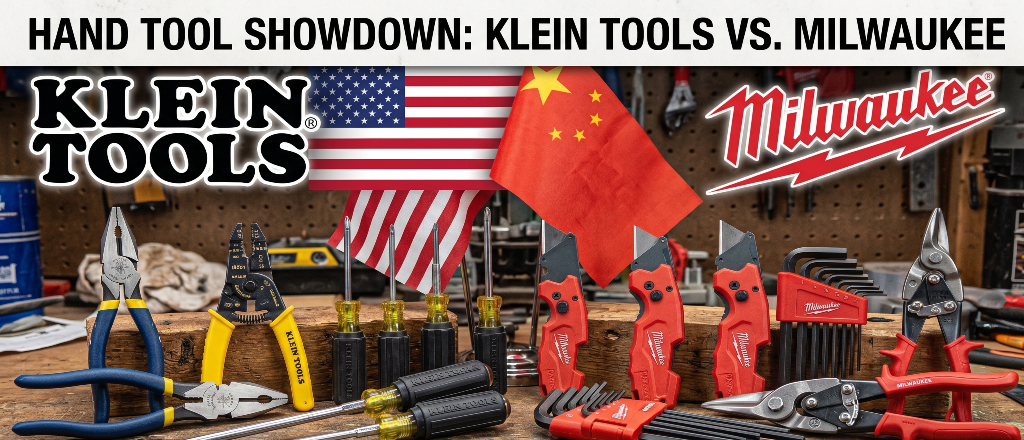
- Introduction, It Used to Be Klein
- 160 Years of American Manufacturing
- Who Is Milwaukee Tools and Who Really Owns Them
- The Day The Home Depot Changed the Aisle
- The Quiet Death of an American Brand
- The Home Depot: Put Your Money Where Your Marketing Is
- Milwaukee Markets Like a Champion, Klein Markets Like It's 1987
- Quality Is Not Enough If Nobody Knows About It
- Why This Matters Beyond the Tool Aisle
- FAQ
- America Deserves Better and So Does Klein
Introduction
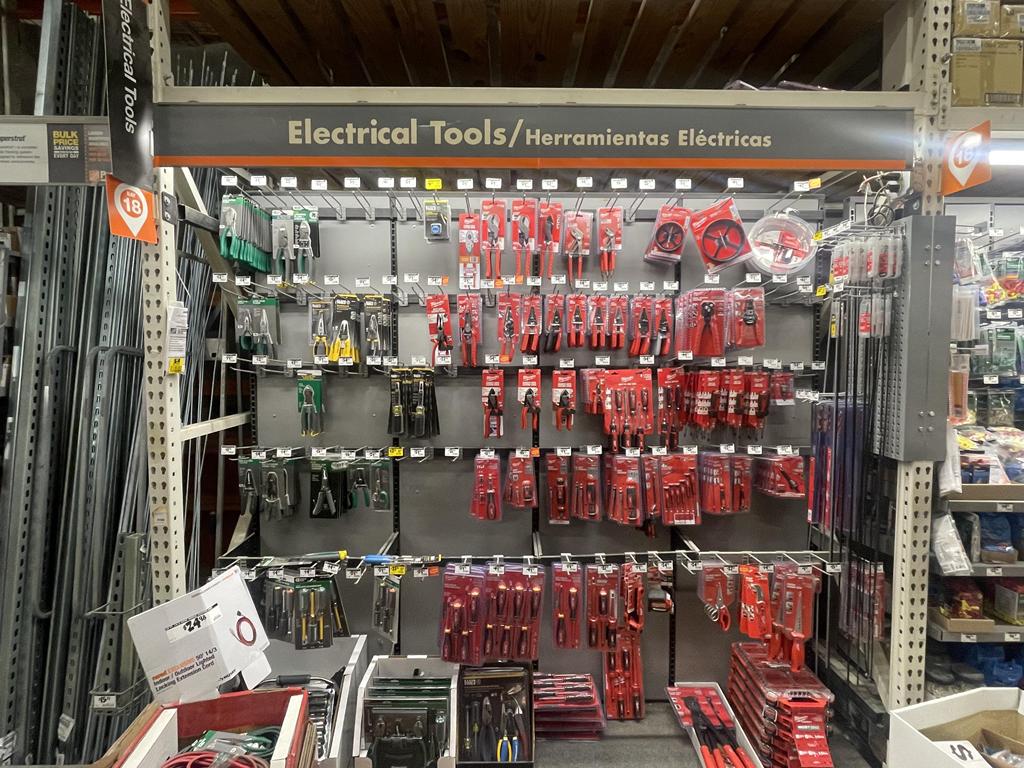
Walk into any (The) Home Depot a few years ago and head to the electrical aisle. Klein Tools was everywhere. Lineman pliers, wire strippers, screwdrivers, voltage testers- all Klein. For electricians, it wasn't even a choice you thought about. Klein was just what you used. It was as automatic as a carpenter reaching for certain brands or a mechanic knowing which tools held up and which ones didn't. Klein was the standard, and everyone in the trades knew it.
Then something changed.
I walked into my local Home Depot not long ago and went down that same electrical aisle. Klein was largely gone. Milwaukee had taken over the shelf space. Same aisle, different world. And if you know anything about who owns Milwaukee and where that money goes, that moment hits a little differently than just a brand swap at a hardware store.
This article is about how that happened, why it matters, and what it says about the state of American manufacturing and the companies that are supposed to support it.
160 Years of American Manufacturing
Klein Tools was founded in 1857. Let that sink in for a second. This company has been making tools in America since before the Civil War. Mathias Klein started the company in Chicago by repairing a pair of pliers for a telegraph lineman and eventually built them himself when he realized he could make them better. That's the origin story. A craftsman who looked at something and knew he could do it better.
For 160-plus years, the Klein family has kept that standard. The company is still privately owned, still family-run, and still manufacturing in the United States. They never chased the cheapest production cost. They never moved everything overseas to pad a margin. They stayed the course and kept making tools that professionals trusted with their lives and their livelihoods.
Electricians have relied on Klein for generations. There are guys in the trades today using Klein tools that belonged to their fathers. That's not marketing; that's earned loyalty built over more than a century of showing up with a quality product. You don't get that by accident, and you don't replace it easily.
Who Is Milwaukee Tools and Who Really Owns Them
Milwaukee Tool sounds American. The name, the red branding, the aggressive marketing, all of it is designed to feel like a hard working American company. But Milwaukee Tool is owned by Techtronic Industries, known as TTI, which is headquartered in Hong Kong.
Now TTI will tell you they are a Hong Kong company and technically that is true. But anyone paying attention to what has been happening in Hong Kong over the last several years understands that the line between Hong Kong and mainland China gets blurrier every year. China has been tightening its grip on Hong Kong steadily and the idea that a major Hong Kong corporation operates completely independent of Chinese influence is harder to believe with every passing year.
So when you buy Milwaukee Tools you are sending money to a Hong Kong based company operating in an environment that is increasingly shaped by the Chinese Communist Party. That's not a conspiracy theory, that's just geography and current events. Whether that matters to you is your call but you should at least know it before you make the purchase.
The Day The Home Depot Changed the Aisle
The Home Depot loves to wrap itself in the American flag when it suits them. Their marketing leans into the hardworking tradesperson, the DIY homeowner, the people who build and fix things. It feels patriotic. It feels like they are on the side of American workers and American-made products.
Then they hand the electrical aisle to Milwaukee.
Replacing Klein with Milwaukee on that shelf wasn't just a business decision; it was a statement. It said that price and marketing muscle matter more than where a company is headquartered or where the money goes when you buy the product. It said that a 160-year-old American family-owned manufacturer couldn't compete with the marketing budget of a Hong Kong-backed corporation.
The Home Depot, you want to market yourself as the store for hardworking Americans? Then act like it. Carrying Klein Tools in your electrical aisle is one of the easiest ways to put action behind that message. Instead, you handed that real estate to TTI and called it a business decision. It is a business decision. It's just not an American one.
The Quiet Death of an American Brand
This is how it happens. Not with a dramatic announcement or a factory closing overnight. It happens quietly. A retailer makes a shelf space decision. A consumer reaches for what's in front of them. A generation of new tradespeople grows up thinking Milwaukee is just the way things are because that's all they see at the hardware store.
Klein doesn't disappear overnight. They're still there, still making excellent tools, still family-owned, still American. But they have become harder to find at the retail level, and harder to find means harder to choose, even for people who would choose them if given the option.
This is the quiet death of an American brand. Not a funeral, just a slow fade. Less shelf space here, less visibility there, a younger generation that associates the electrical aisle with red instead of yellow, and before long a 160-year legacy becomes a niche brand that professionals know but consumers have never heard of.
That should bother us a lot more than it does.
The Home Depot: Put Your Money Where Your Marketing Is
This deserves its own section because it's worth saying directly. The Home Depot has the power to make a different choice. They are one of the largest retailers in the country and the shelf space they control shapes what millions of consumers buy and what brands survive at scale.
Choosing to stock and prominently feature Klein Tools is not just a feel-good decision. It's a defensible business decision too. Klein has 160 years of brand equity with professional tradespeople. Electricians trust Klein in a way that takes decades to build. That trust has real commercial value.
But beyond the business case, there is a responsibility that comes with being the size The Home Depot is. When you market yourself as the store for American workers and then hand prime shelf space to a Hong Kong-backed company over an American one, people notice. Or at least they should.
Do better Home Depot. The aisle should have Klein in it, and everyone in the trades knows it.
Milwaukee Markets Like a Champion, Klein Markets Like It's 1987
Here is where it gets uncomfortable for Klein fans because this part is true and it needs to be said. Milwaukee is really good at marketing. Exceptionally good. They sponsor events, they get their tools in the hands of influencers, they show up on job sites, in YouTube videos, in social media feeds, everywhere you look in the trades space Milwaukee has a presence.
When was the last time you saw a Klein advertisement? Not a catalog, not a product listing on their website, an actual advertisement that made you feel something about the brand. Think about it. It's hard to come up with one.
Klein makes excellent tools and then largely lets those tools sit in silence hoping the quality speaks for itself. In 1987 that strategy worked because shelf space was the only game in town and Klein had it. In 2025 that strategy is a slow walk toward irrelevance because the consumer's attention is being fought over on every platform and Klein is barely showing up to the fight.
Milwaukee didn't beat Klein on quality. They beat them on visibility. And in today's market visibility wins shelf space, shelf space wins consumers, and consumers become the next generation of brand loyal tradespeople. Milwaukee understood that game and played it. Klein is still waiting for the game to come to them.
Quality Is Not Enough If Nobody Knows About It
This is the hard truth that family-owned legacy brands struggle to accept. You can make the best tool in the world and lose the market to a competitor with an inferior product and a superior marketing budget. It happens all the time, and it is happening here.
Klein's tools are genuinely excellent. Ask any electrician who has been in the trade for 20+ years, and they will tell you their Klein pliers are still going strong after decades of daily use. That's a real story, and it's a compelling one. But Klein isn't telling it loudly enough or in the right places.
The trades audience is on YouTube. They're on Instagram. They're watching tool reviews and job site content, and forming brand preferences based on what they see there. Milwaukee is all over that space. Klein is not. And the result is a generation of younger tradespeople who never developed the same instinctive reach for Klein that their predecessors had because nobody ever showed it to them.
Quality is the foundation. It's not the whole building. You have to market the quality, or it just becomes a secret that fewer and fewer people know about.
Why This Matters Beyond the Tool Aisle
Klein vs Milwaukee is not really about pliers and wire strippers. It's about something bigger. It's about whether American companies that do things the right way, that manufacture here, that stay family owned, that prioritize quality over cost cutting, can survive in a market that rewards aggressive marketing and cheap production over everything else.
If Klein fades, it sends a message to every other American manufacturer watching. The message is that doing it right is not enough. That you have to play the marketing game at the same level as companies backed by foreign capital with no loyalty to American workers or American communities. That legacy and quality and a 160-year track record can be erased by shelf-space decisions made by a retailer chasing margin.
That's a message we should not be comfortable sending. Because the next company that gets quietly pushed off the shelf might be one you care about even more.
FAQ
For electrical work specifically, most veteran electricians will tell you Klein is the gold standard. The pliers, wire strippers, and screwdrivers that Klein built their reputation on are as good as anything on the market. Milwaukee has expanded aggressively into the electrical category and makes solid products but Klein's core hand tools have a track record that spans generations. Better is subjective but the loyalty Klein has among experienced tradespeople is not an accident.
The Home Depot has not made any official public statement specifically addressing Klein's shelf presence. What drives retail shelf decisions at that level is a combination of sales volume, marketing support from the brand, and negotiated terms with the manufacturer. Milwaukee's aggressive marketing and TTI's resources give them leverage in those negotiations that a privately owned family company like Klein has a harder time matching.
Absolutely. The foundation is there. The product quality is there. The brand equity with professional tradespeople is there. What Klein needs is a marketing strategy that matches the modern landscape. Show up on YouTube, get into the hands of influencers in the trades, tell the American made story loudly and consistently, and remind a new generation of tradespeople why their fathers and grandfathers reached for Klein without thinking twice. The tools are good enough to win. Klein just has to show up to the fight.
America Deserves Better and So Does Klein
Klein Tools has been making excellent products in America since 1857. They survived the Civil War, two World Wars, the Great Depression, and every economic cycle in between. They did it all while staying family-owned, staying American, and never compromising on the quality that built their name. That's not a small thing. That's an extraordinary thing.
And right now they are losing a shelf war to a Hong Kong-backed company with a bigger marketing budget and a retailer that talks about supporting American workers while quietly handing their aisle to a foreign-owned corporation.
That's a hard thing to watch.
But here's what's also true. Klein is not done. The tools are still excellent. The legacy is still real. The loyalty among veteran tradespeople is still there. What Klein needs is to wake up to the world they are actually competing in and start fighting for the next generation of tradespeople the same way Milwaukee is fighting for them. Show up. Tell the story. Make some noise. Because the story of a 160-year-old American family company that never sold out and never cut corners is one of the best stories in the trades, and almost nobody under 35 knows it.
And to The Home Depot and every other retailer making shelf space decisions based purely on marketing budgets and negotiated margins. You have more power than you realize. The brands you carry shape what consumers buy and what companies survive. Use that power like you actually believe the marketing you put out about supporting American workers. Put Klein back in the aisle like you mean it.
The quiet death of an American brand is not inevitable. But it won't be stopped quietly either. It takes consumers who care, retailers who act on their stated values, and a company willing to fight for its own future as hard as it has always fought for quality.
Klein built something worth saving. The question is whether enough people care to save it.
