
Archived from the Tools In Action forum (Hand Tools). This thread is read-only.
Hi everybody,
My name is Lawrence and I’m a communications engineer for a major American telephone company. My office’s biggest client runs a lot of mines in the Pilbara region of Western Australia and I’m constantly flying in and out of their sites to maintain or install new systems.
For my work next week, I’ll be supervising and assisting with the installation of Cisco wireless equipment in some very isolated places. To get there, I’ll be flying from my home in Perth to Newman (a two hour flight) and driving about 150 km (~100 miles) up the highway to the jobsite.
The work will involve programming the wireless APs, lots of copper and fibre optic termination, crimping on earth lugs and finally screwing or band-strapping them to the building.
While I’ve got electricians doing most of the hard work, I’ve learned that at these remote jobsites, I’ve got to take EVERYTHING that we might need to complete the work. When the nearest small hardware shop is a four hour round trip and most likely won’t have what I need, the mantra is “you need to be looking at it, not for it”.
One consequence of needing to fly to the jobsite is baggage restrictions. I need to pack everything I need for doing the work, and being away from home for a week, into two 32kg (70lb) bags.
For this work I’ll be packing:
- Toughbook, IT bits – thumb drives, fluke cable tester, serial cables, random cables

- Hand tools

- Safety harness and lanyard (for working in the elevated working platform)

- Fibre optic emergency termination gear. While the electricians are bringing a fusion splicer, there’s a risk we’ll have to use mechanical terminations if something goes wrong. I usually take a cleaver and some mechanical fibre optic terminations

- Fibre optic test equipment- Visual fault locator (a laser that can help locate breaks), calibrated light source, light meter, microscope, a bunch of test cables, ‘one click’ cleaning tools

- Milwaukee M12 screwdriver, bits, head torch

- M12 impact driver, spare RJ45 crimpers, riveter, spare mechanical lug crimpers, strippers

- Fluke networks tone and probe set

- Copper cable termination set, including a spare cable tester

- Hydraulic lug crimper – we’ll be fitting a lot of earth lugs

- Emergency spares kit (mostly fibre cables, power connectors & Cisco optics)

- Label maker

- Bag of tools for doing microwave surveys – laser disto, abney level, clinometer, big camera lens


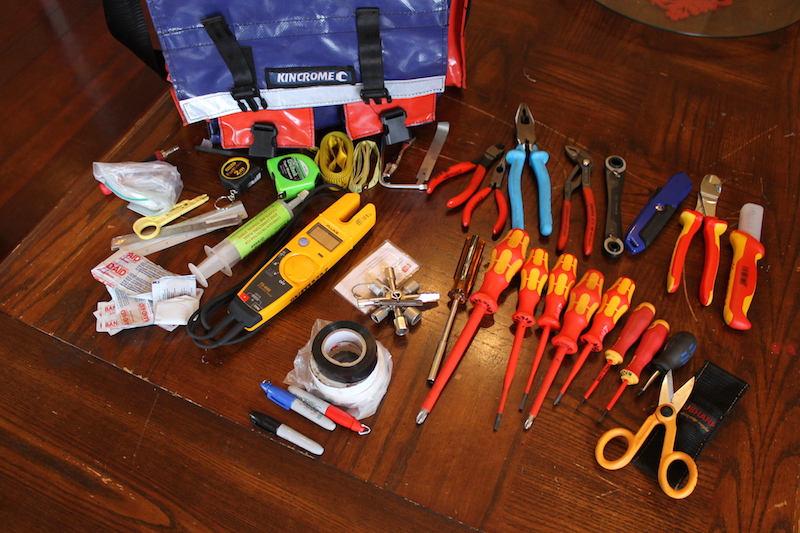

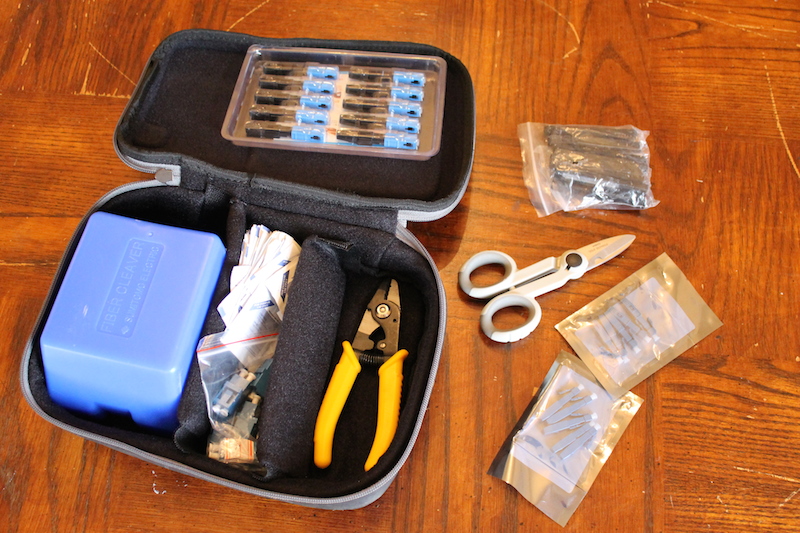
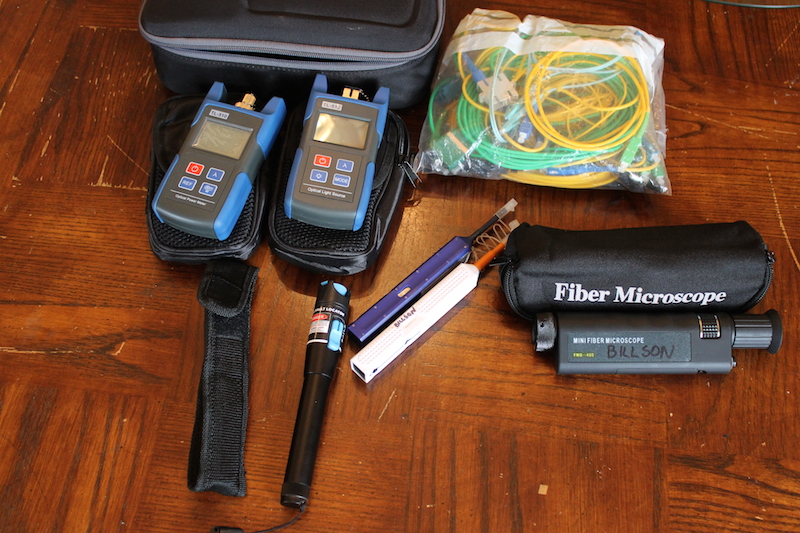
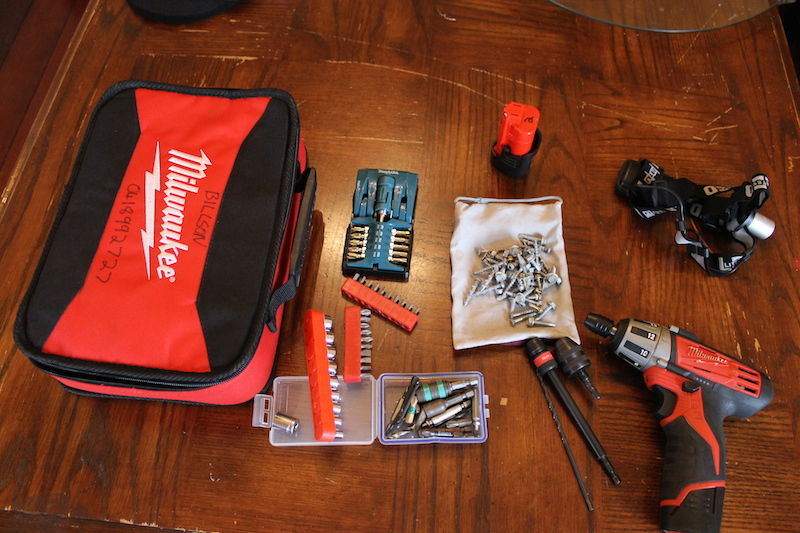


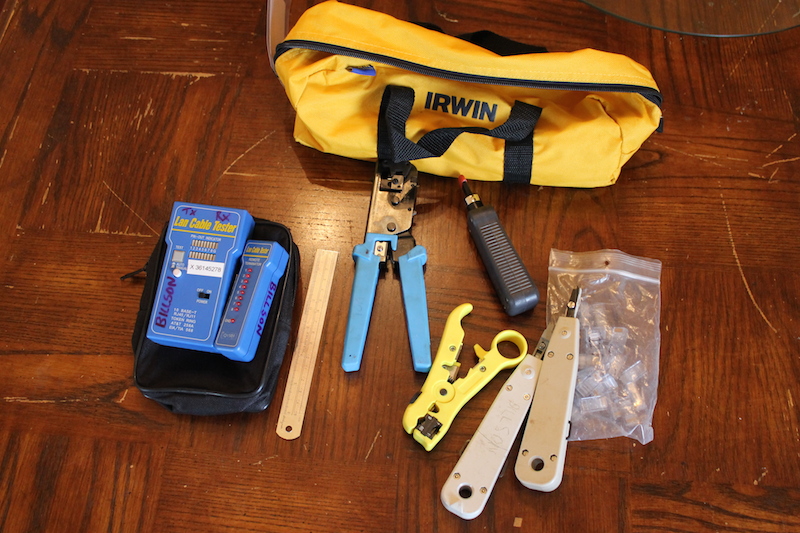


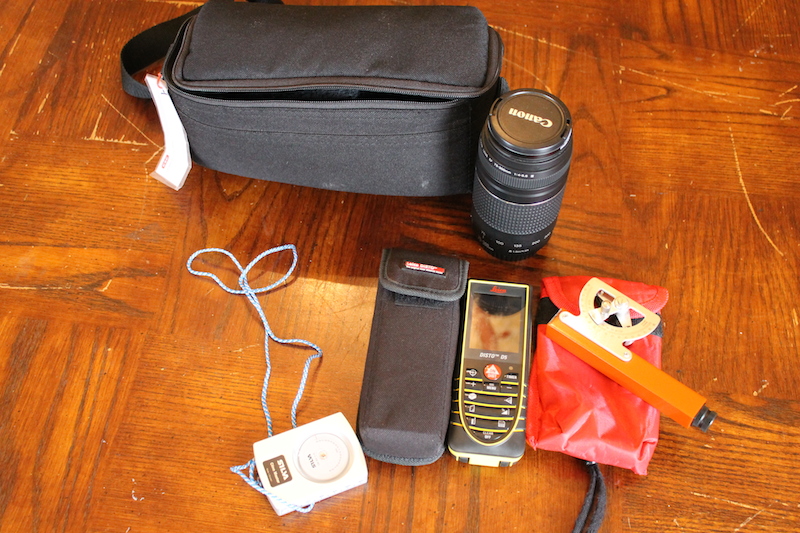
All (except for the lug crimper) fits in a single medium sized suitcase and weighs just over 30kg. My other case has the lug crimper, uniforms and all of my personal protective gear.

As part of my job, I’m on a plane about three times a month. I’m getting pretty good at estimating what I’ll need and packing it. Many of the spots I get to go to are very rugged, isolated but also pretty. It’s hard work, long hours and dirty conditions but I love my job.
Welcome aboard Lawrence!
Great first post Lawrence and welcome to TIA.
welcome to the forum, do you like all the traveling involved with your line of work? P.S nice fluke meter!
Well that is a serious amount of expensive telecom tools. I also want to say thanks for joining TIA and posting all of the tools that go with doing your job!
Pretty sweet. Thanks for sharing and welcome to TIA!
I’ve seen what it takes for fiber connections, been watching the Google techs out here wiring the whole building up. Takes some skill and patience, welcome to the forum
Thanks for the comments guys.
Tyler, to answer your question: While the travel can sometimes get a bit much, I think I’d miss working with different people in strange places if I were to stop. It’s sometimes hard to be away from home. It usually also means working 12-14 hour HARD days. The food and accommodation are okay but they tend to treat us a lot like children. I’m very lucky, my wife works for (a competing) mining company and has to travel with similar frequency so she’s very understanding.
K.C. – If you’ve got the right tools, fibre optic work is much much easier than copper. There’s usually way fewer wires, there’s only one standard for wiring (just match the colours, blue goes to blue, orange goes to orange) and modern splicing gear does most of the work. It takes about 2-3 minutes to terminate two cores. There’s way fewer wiring rules as there’s no way anybody can get zapped. We’re in a high lightning zone so we also save a lot of time by not having to worry about surge protection. It’s awesome.
Maybe I’m just seeing rookies then, I’ve never messed with fiber connections. Just the normal cat3 thru cat6
Welcome to the forum. It sounds like you have a very interesting job.
Wow! Very interesting write up. Really cool to see what your carrying and hear your story. Thanks for sharing!