Table of Contents
- The Problem: Tools You Own Are Costing You More Than You Think
- How Fleet Management Works
- What’s Included: Repairs, Theft Coverage, and Loan Tools
- When Fleet Management Makes Sense
- Monthly Fees vs. Capital Investment
- The Upgrade Cycle: Always Have the Latest Tools
- FAQ
- Fleet Management Makes Sense When You Stop Counting Tools
Tools You Own Are Costing You More Than You Think
Hilti makes some of the best tools in the industry. They’re built to last longer, work harder, and take more abuse than most competitors. If you’re buying tools for your personal use, Hilti’s quality means you’ll likely get decades out of them.
But here’s the reality of company owned tools: workers don’t treat them the same way they’d treat their own. It’s not malicious, it’s just human nature. A guy’s personal drill gets babied and stored carefully. The company drill gets tossed in the truck bed, dropped off scaffolding, and left in the rain. Even the best-built tool can’t survive that forever.
Add in theft, tools that walk off jobsites, broken parts that need replacement, and suddenly that $500 rotary hammer costs $650 in repairs over two years. Multiply that across an entire fleet. Factor in downtime waiting for repairs and duplicate purchases because nobody knows where the last one went.
Fleet Management solves this. Instead of buying tools and dealing with everything that breaks or goes missing, you pay a monthly fee and Hilti handles the rest. Repairs, theft coverage, loan tools, maintenance, it’s all included.
How Fleet Management Works
Fleet Management is a rental model. You don’t buy the tools, Hilti owns them, you use them. You pay a monthly fee based on what you need, and that fee covers everything: repairs, maintenance, theft coverage, loan tools while yours are being fixed.
Contracts typically run four years depending on tool type. At the end of the contract, you return the tools and have the option to upgrade to Hilti’s latest innovations. You’re not stuck with outdated equipment, you’re cycling through to newer, better tools every few years.
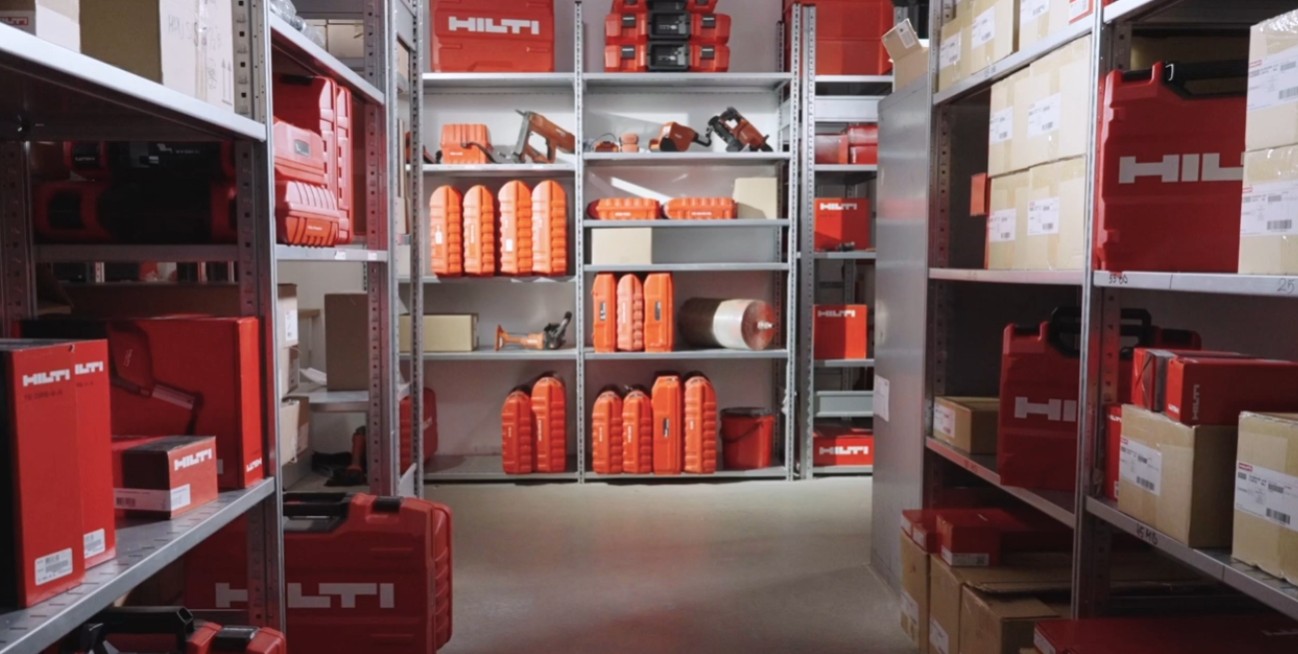
Hilti handles setup. They’ll analyze your current tool situation, build out the optimal fleet for your needs, deliver everything, and train your team. Digital labels go on each tool for tracking and management through their system.
For questions about Fleet Management, Hilti has a comprehensive FAQ covering everything from contract details to how repairs work: Hilti Fleet Management.
What’s Included: Repairs, Theft Coverage, and Loan Tools
The monthly fee isn’t just tool rental, it’s a complete service package. Here’s what Fleet Management covers:
- Unlimited repairs: Tools break. Fleet Management includes unlimited repair coverage with no additional charges. Fast turnaround through Hilti’s repair centers keeps your jobs moving.
- Loan tools: When your tool is being repaired, Hilti provides a loan tool so your crew stays productive. No downtime waiting for repairs to finish.
- Theft coverage: Up to 80% of replacement costs covered if tools are stolen. You’re not eating the full loss when equipment walks off a jobsite.
- Battery and charger exchange: Batteries wear out. Fleet includes replacement batteries and chargers as needed.
- Proactive maintenance: Selected tools get preventive maintenance service to catch problems before they cause failures.
- Digital labels: Scan-and-track system through app or web interface simplifies tool management and accountability.
- Tools on Demand: Need extra tools for a specific project or peak demand? Order short-term additions with transparent pricing.
When Fleet Management Makes Sense
Fleet Management isn’t for everyone. If you’re a one-man operation buying tools for yourself, ownership makes more sense. You’ll take care of your gear, and Hilti’s quality means those tools will last.
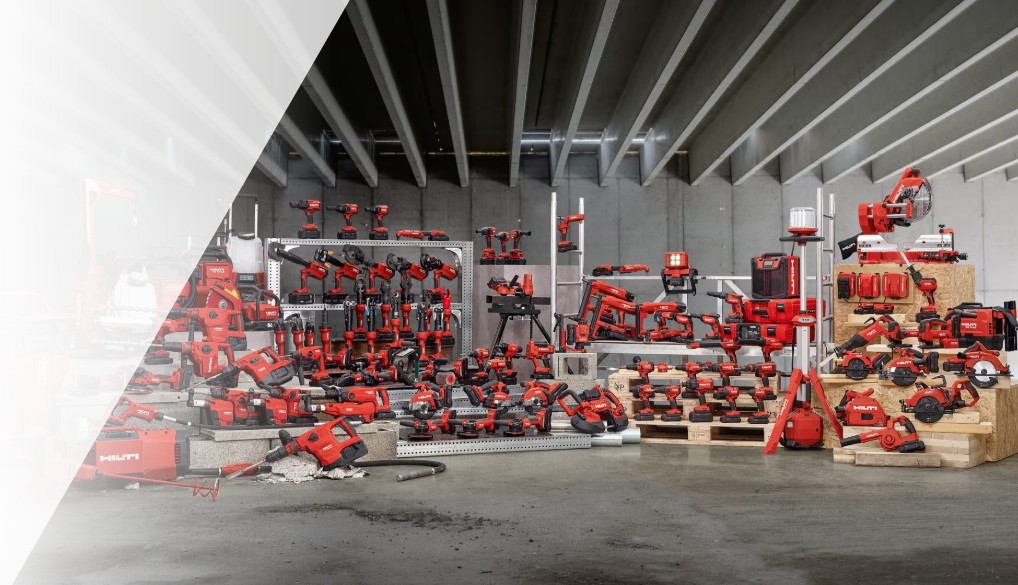
Fleet Management makes sense when you’re managing crews. Multiple jobsites, tools moving between locations, workers who treat company equipment differently than their own gear. The larger the operation, the more theft, loss, and abuse become real costs that eat into your bottom line.
It also makes sense when capital expenditure is an issue. Instead of dropping $50,000 upfront to outfit a crew, you spread that cost into predictable monthly payments. Your cash stays available for other business needs, and you’re not sitting on depreciating assets.
Companies that struggle with tool accountability see the biggest benefit. If you’re constantly replacing lost tools, dealing with broken equipment that sits around unfixed, or running duplicate inventory because nobody knows where anything is, Fleet Management eliminates those problems.
Monthly Fees vs. Capital Investment
Buying tools outright means large upfront costs. A fully-equipped crew might require $30,000-$50,000 in initial investment. That’s cash tied up in depreciating assets that lose value the moment you use them.
Fleet Management spreads that cost into predictable monthly fees. No large capital expenditure, no surprise repair bills, no replacement costs when tools get stolen or broken. You know exactly what you’re spending each month, which makes budgeting and job costing more accurate.
The monthly fee covers the tool itself plus all the services, repairs, theft coverage, maintenance, loan tools. When you factor in what you’d spend on repairs and replacements with owned tools, the monthly cost often balances out or comes ahead, especially with larger fleets.
You’re also not holding onto obsolete equipment. With ownership, you’re stuck with what you bought until it dies or you justify the expense of upgrading. Fleet contracts cycle every four years, giving you regular access to Hilti’s latest innovations without additional capital investment.
The Upgrade Cycle: Always Have the Latest Tools
Tool technology doesn’t stand still. Hilti’s Nuron platform replaced their older cordless systems. Brushless motors deliver more power and runtime than previous generations. Safety features like ATC and AVR get added to new models. When you own tools, upgrading means justifying another major capital expense.
Fleet Management builds upgrades into the model. At the end of your four-year contract, you return the tools and upgrade to whatever Hilti’s released since you started. You’re not stuck running five-year-old technology because the tools still technically work.
This matters more than it sounds. Newer tools are faster, lighter, and more productive. Battery technology improves. Dust collection gets better. Safety features advance. Over a four-year cycle, those improvements add up to real productivity gains, and you get them automatically without additional investment.
You’re also not managing end-of-life disposal. When tools reach the end of their usable life, Hilti handles refurbishment, parts reuse, and proper recycling. You return them, get fresh equipment, and move on.
FAQ
What happens if a tool gets stolen?
Hilti covers up to 80% of replacement costs for stolen tools. You file a report, and they handle the replacement without you eating the full loss.
Can I add tools temporarily for a specific project?
Yes, through Tools on Demand. You can add short-term tools for peak demand or project-specific needs with transparent pricing.
How does pricing work compared to buying tools outright?
Instead of large upfront capital investment, you pay predictable monthly fees that cover the tools plus repairs, theft coverage, and maintenance. For larger fleets, it often balances out or comes ahead when you factor in ownership costs.
What happens to the tools at the end of the contract?
You return them to Hilti. High-quality parts get refurbished and reused, tools no longer suitable for professional use get donated, and everything else is properly recycled.
Fleet Management Makes Sense When You Stop Counting Tools
Hilti builds the best tools in the industry. But even the best tools can’t survive being company property on a jobsite where workers treat them differently than their own gear.
Fleet Management stops making you count tools, track repairs, replace stolen equipment, and justify capital expenditures every time you need to upgrade. You pay a monthly fee, Hilti handles everything else, and your crews stay productive with equipment that’s always in service.
It’s not about whether Hilti tools are worth buying, they absolutely are if you’re outfitting yourself. It’s about whether managing a company fleet is worth your time and money, or whether it makes more sense to let Hilti handle it while you focus on running jobs.
For crews and companies dealing with theft, loss, abuse, and the reality that workers don’t baby company tools, Fleet Management takes those problems off your plate. Predictable costs, always-working equipment, and automatic upgrades every four years. That’s the model.
Leave a Reply